West, Centre & Flinders – Days 20 to 21 – To Bedourie and Birdsville

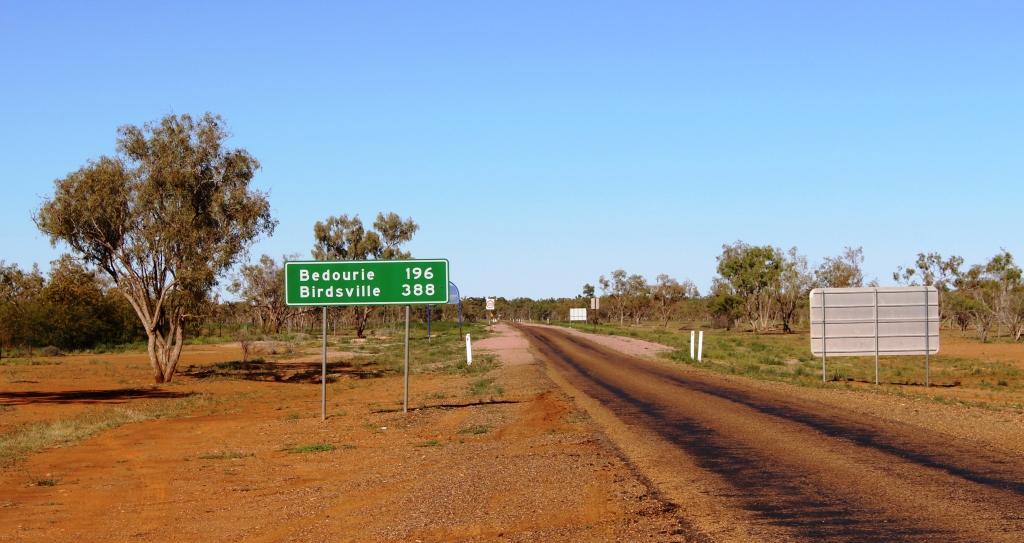
The sign at Boulia for the turn South

The sign at Boulia for the turn South

It is just less than 400 kilometres from Boulia to Birdsville, neatly dissected by Bedourie, which is about 200 kilometres from both. As there are no other towns on the road we made Bedourie our destination on Saturday and finished the journey on Sunday. On both days we arrived for a late lunch. That allowed us time to look around on our day of arrival.
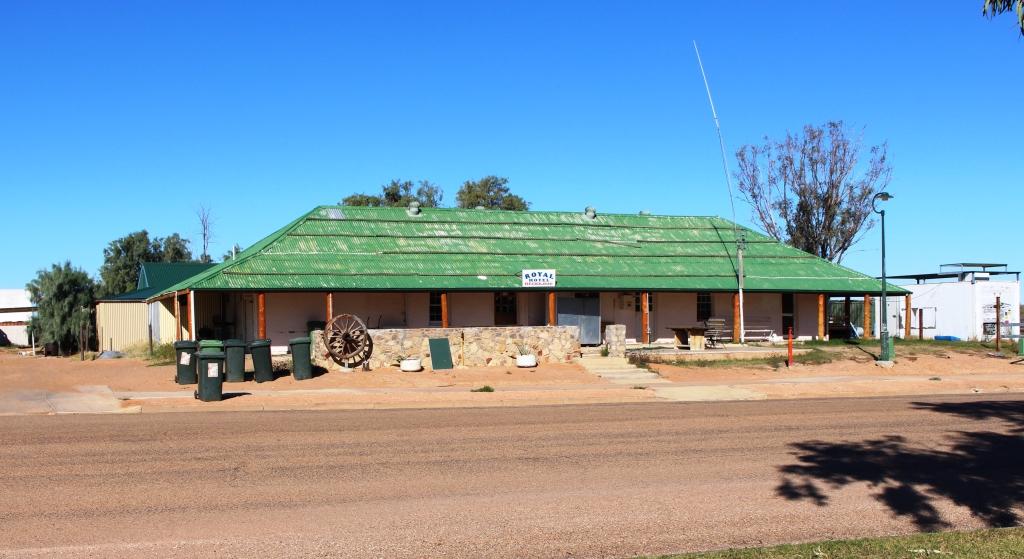
The Royal Hotel Bedourie

The Royal Hotel Bedourie

Our last visit to Bedourie was by air, during our air tour of the area around Lake Eyre in 2011. The first night of the tour was spent at the historic Royal Hotel at Bedourie. Licensee Jim Smith had provided hospitality beyond the call of duty, so we called to see him. Sadly he was away in Mt. Isa. But we, as the only customers, got talking to the young lady behind the bar. Clearly she was a northern European back packer.
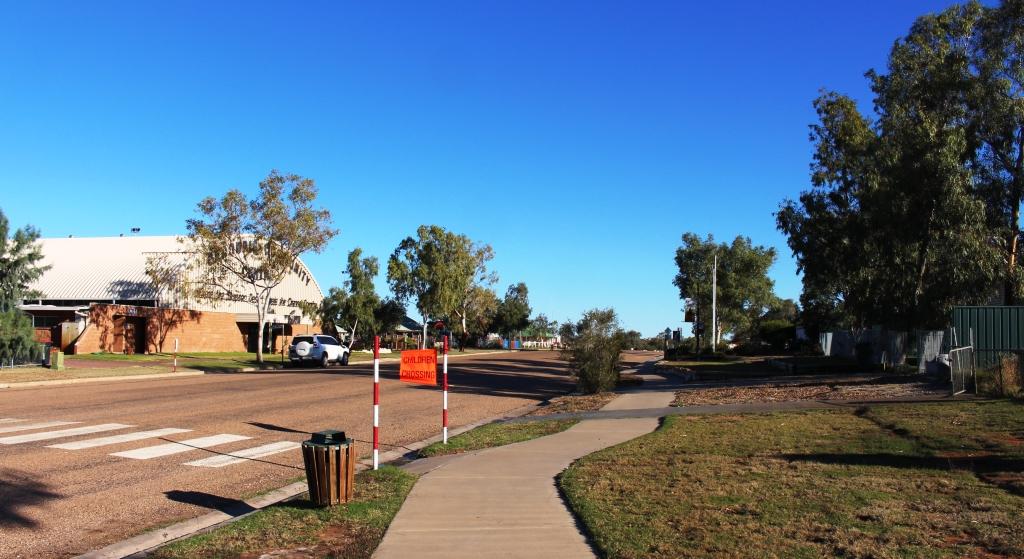
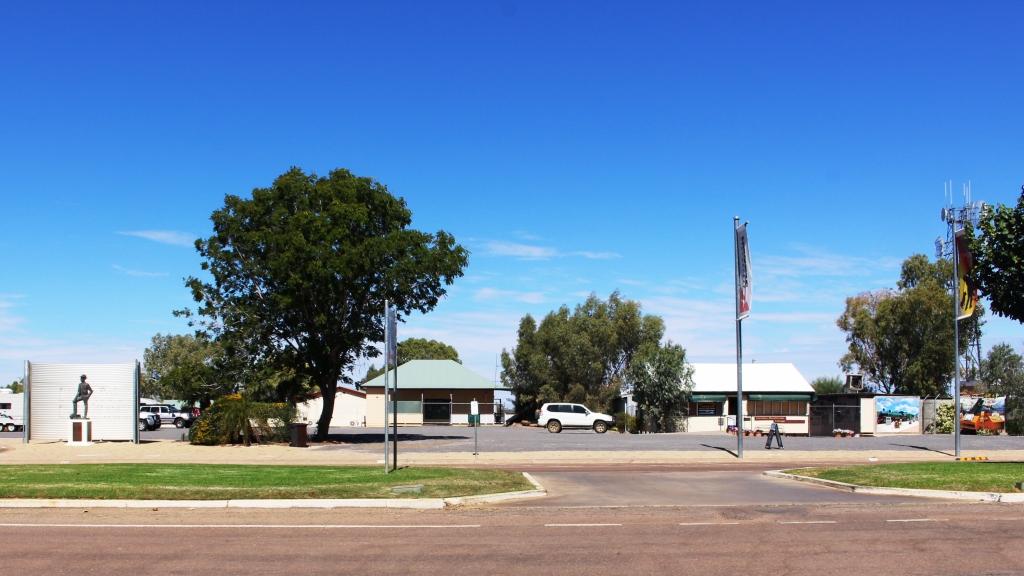
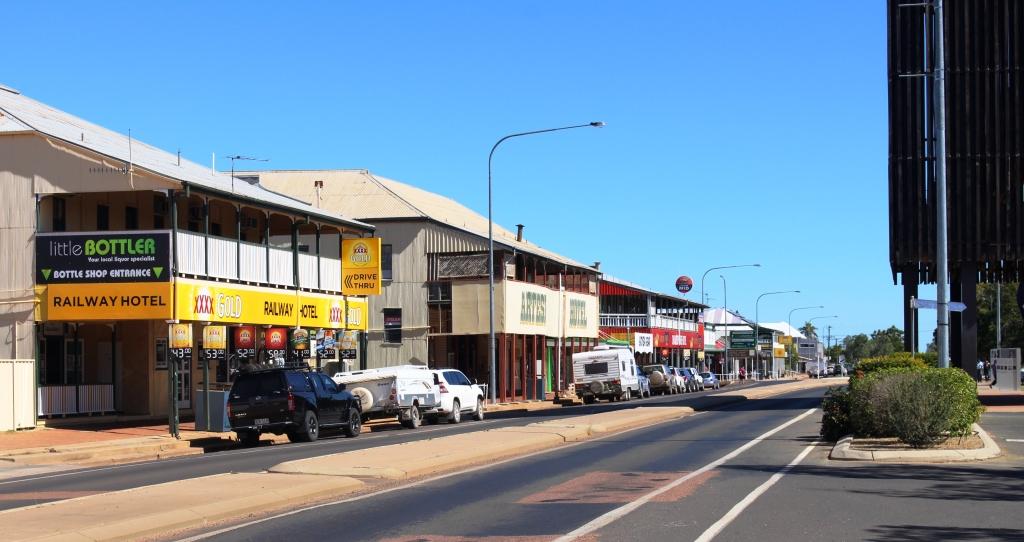
The part of main street at Bedourie

The part of main street at Bedourie

We mentioned that while here, we had visited nearby Cluny Station. That led her to tell us that she had been at a party at Cluny the previous night. Soon other party participants arrived. I could see another party starting, so we said our farewells and departed but with a bit more knowledge of life in this remote town.
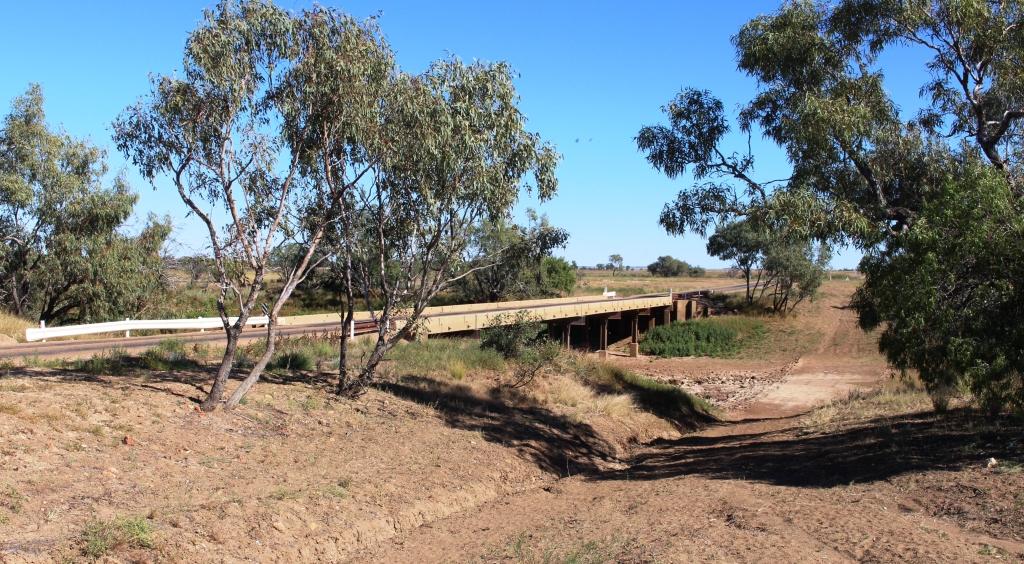
A bridge over one of the channels of the Georgina River

A bridge over one of the channels of the Georgina River

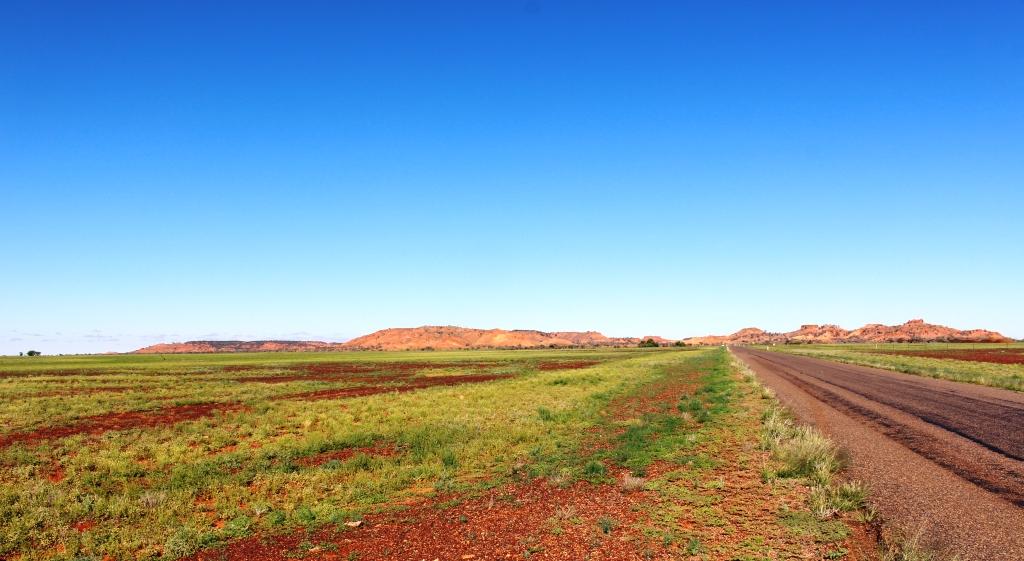
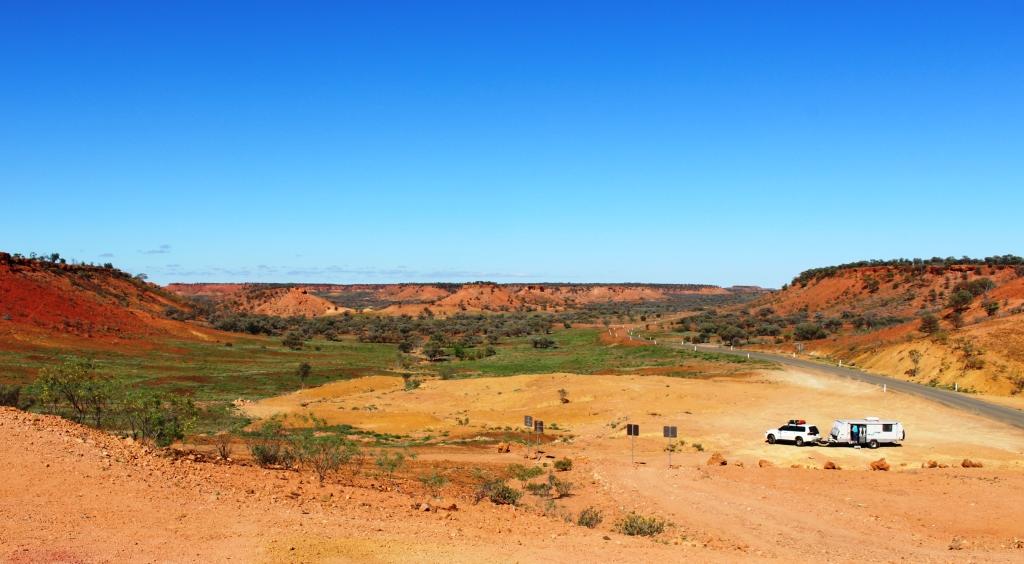
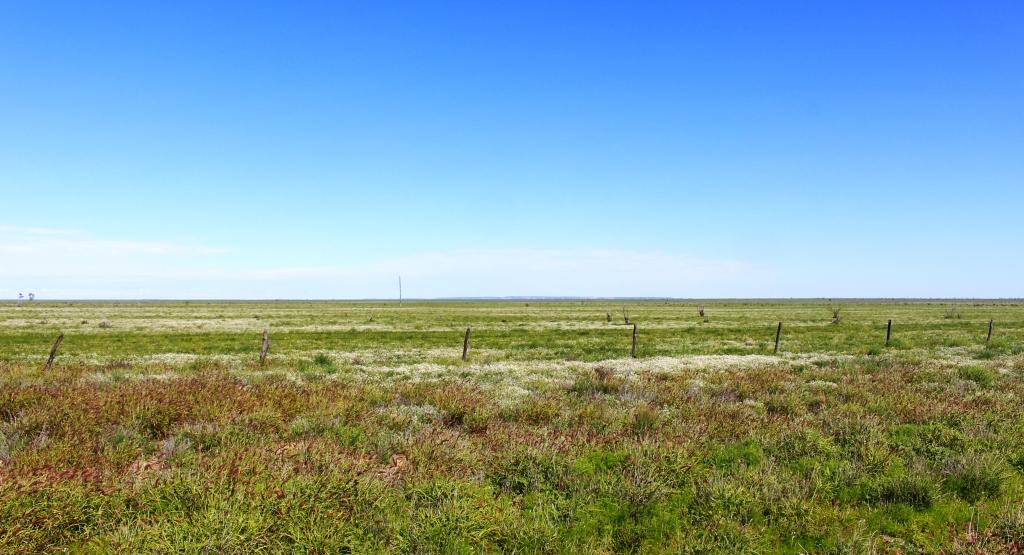
The terrain between Boulia and Birdsville is flat, with few hills. It is the quintessential land of rolling plains. A little less than half way to Bedourie we crossed the Georgina River, which with the Diamantina, drains the north west area of Queensland, ultimately running into Lake Eyre. For most of the way to Bedourie the river and its flood plains were to our left, a never ending swathe of green, mostly treeless plain but with the normal growth of trees along the river.

The marker for the Tropic of Capricorn sits by the road where it crosses a treeless plain

The marker for the Tropic of Capricorn sits by the road where it crosses a treeless plain

I mentioned a post or two ago about explorer Major Sir Thomas Mitchell and his exploration of the area. One of his discoveries was vast areas of treeless plains covered with natural grasses. The most prominent of the grasses was named in his honour, Mitchell grass. The plains over which we were driving are Mitchell grass plains. This type of treeless country accounts for about 14% of Queensland’s land area.
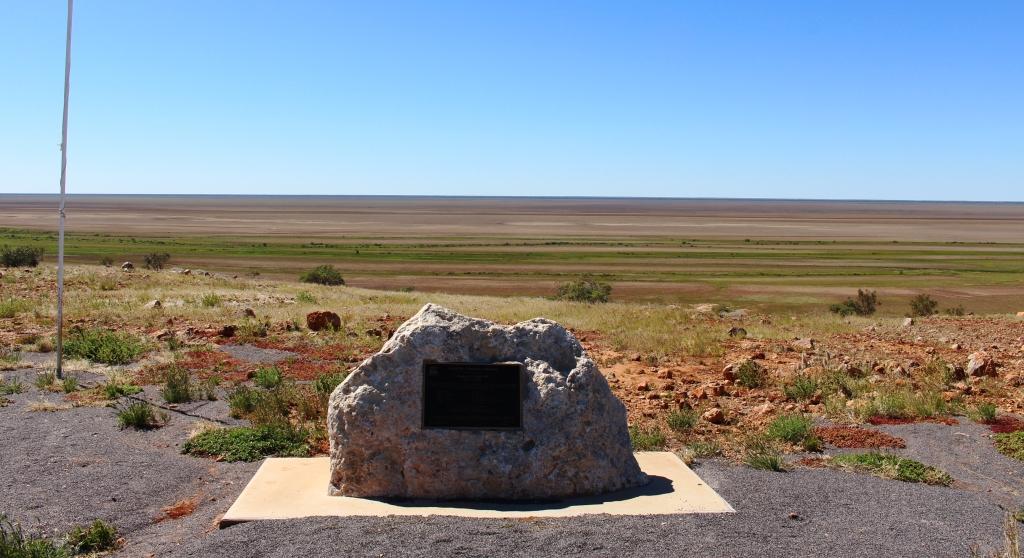
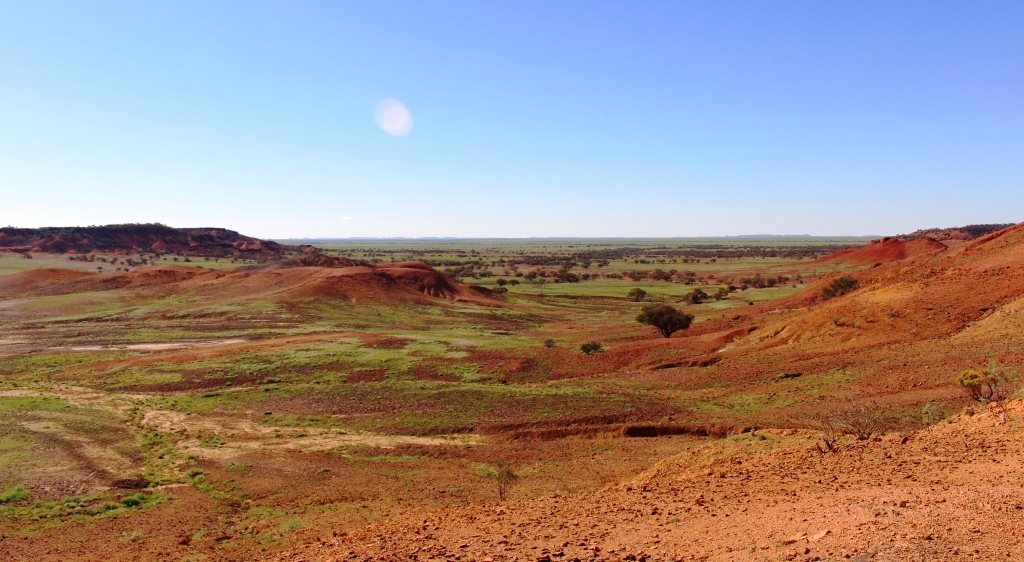
The official marker for the Vaughan Johnson Lookout overlooks Diaimantina flood plains

The official marker for the Vaughan Johnson Lookout overlooks Diaimantina flood plains

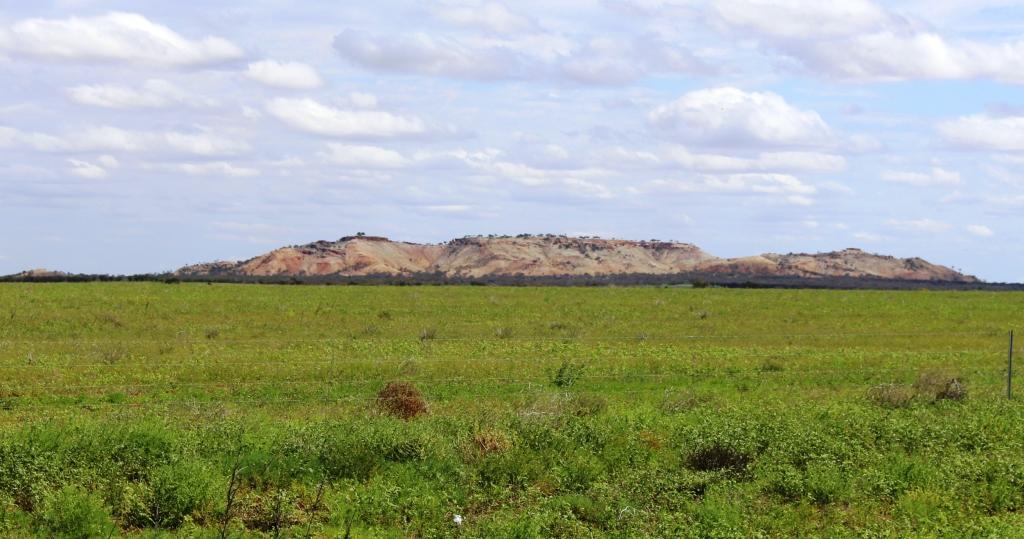
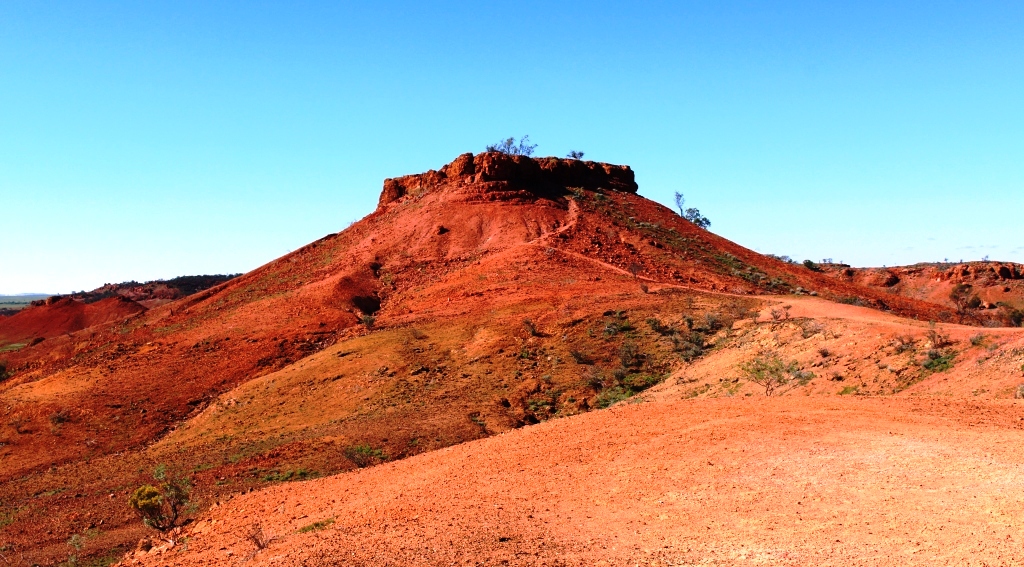
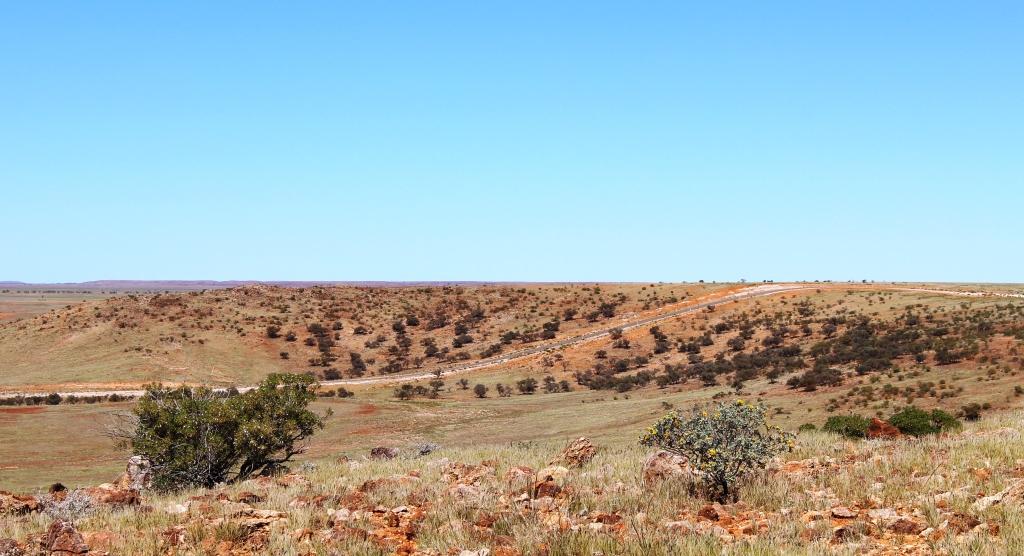
On the border between Boulia and Diamantina Shires (Diamantina Shire is based on Bedourie), right by the road, is the most prominent hill of the trip. At the summit the councils have built a rest and information area. It is named after and was opened by Hon. Vaughan Johnson, now retired, but a long time member for the Queensland state seat of Gregory and a former government minister.
The steep climb to the lookout

The steep climb to the lookout

I don’t want to over work the word but the view is magnificent. Through an arc of about 270 degrees the view is over flood plains, now green from recent rain. From this vantage point it is easy to believe that this area was once an inland sea. Equally interesting are the six double sided information boards that provide historical and environmental information. In a protective cage a piece of road building equipment used on the original road is now on display.
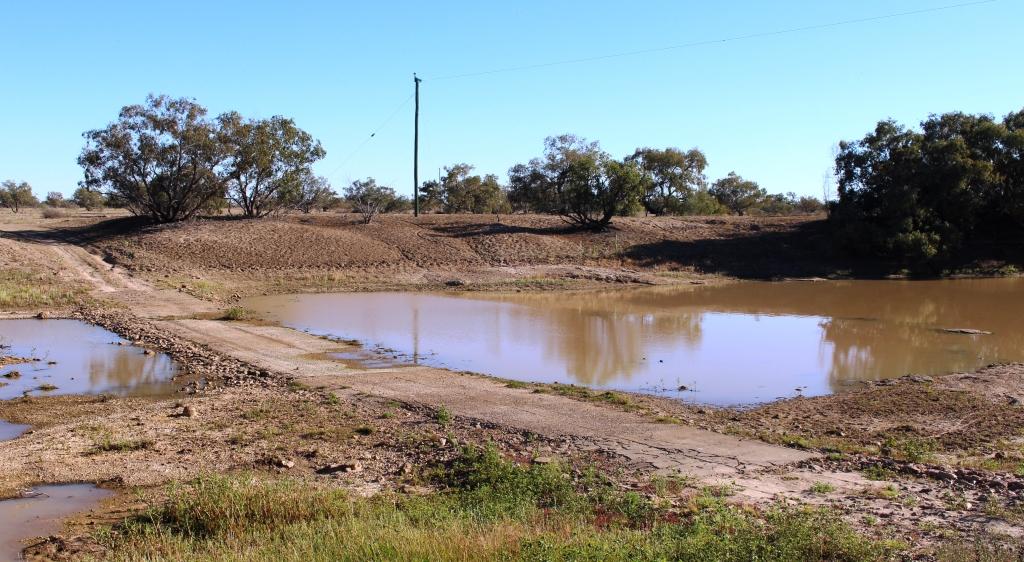
The old causeway over King Creek south of Bedourie

The old causeway over King Creek south of Bedourie

Bedourie is partially surrounded by Eyre Creek, a waterway that follows the road that we were on, now the Eyre Developmental Road, for some distance. A variety of water birds can be sighted at Cuttaburra Waterhole beside the road. The stream finally crosses the road for the last time, a little further south at Cuttaburra Crossing, before heading through a couple of lakes and into the desert, to then run south again to its final destination at Lake Eyre.

The main channel of Eyre Creek near Glengyle Station

The main channel of Eyre at Cutta Burra crossing

Diamantina Shire describes its municipality as “Where the Desert Meets the Channel Country”. This is an apt description. The further south the less frequent the lush green of newly growing grass and the more frequent becomes the expenses of red gravel, sand and clay patches and the scrubby salt bush type vegetation that dominates in these regions. And then, of course, there is the increased frequency of sand dunes, partially covered with vegetation, that stretch from one horizon to the other.
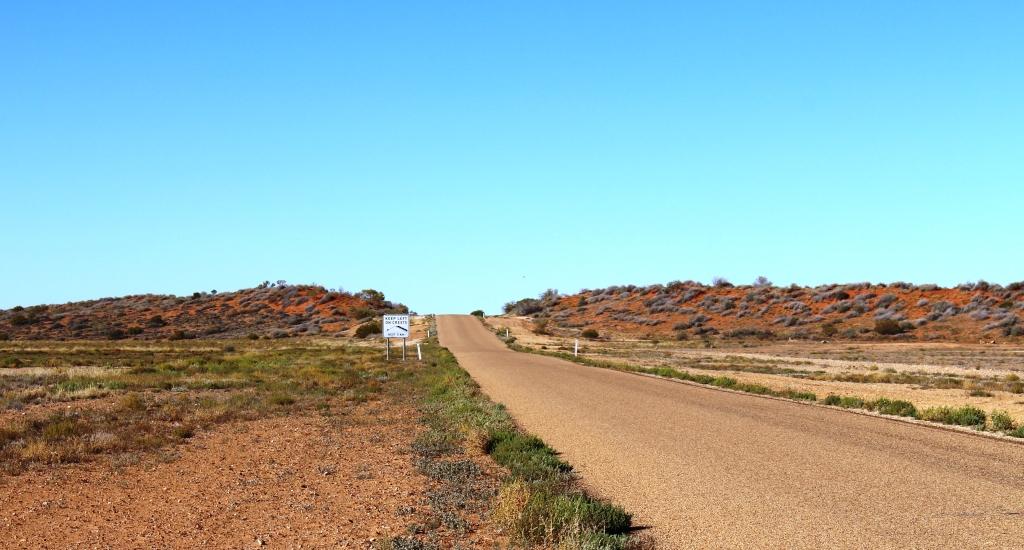
The sealed road crosses a sand dune south of Bedourie

The sealed road crosses a sand dune south of Bedourie

The road was good. There is now only eight kilometres of unsealed road north of Bedourie and a bit less than 80 kilometres between Bedourie and Birdsville. The unsealed sections were in good condition. Our lower than normal average speed was the result of frequent stops to take photos rather than the condition of the road.

The road over Eyre Creek at Glengyle Crossing

The road over Eyre Creek at Glengyle Crossing

Lush vegetation on the flood plains of the Diamantina

Lush vegetation on the flood plains of the Diamantina

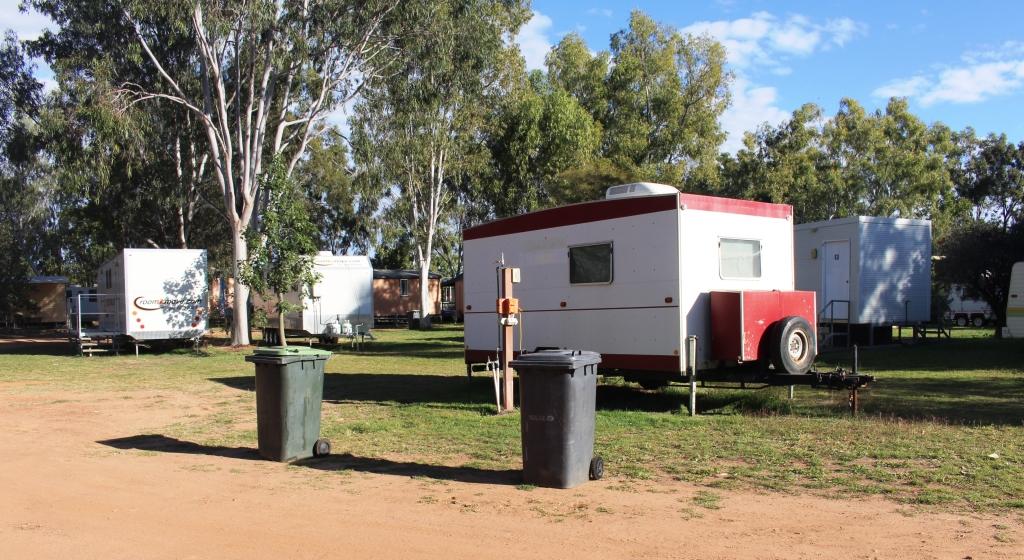
Birdsville, on our arrival, seemed to be full of motor bikes. They were roaring around the streets and the caravan park most of the afternoon. It seems that some groups of bikers are crossing the Simpson Desert and have all arrived in town at once.

This morning, at Bedourie, in our caravan park, I spoke to one motor cyclist involved with a group raising funds for Sudden Infant Death Syndrome (SIDS for Kids). They have two groups crossing the continent from Cape Byron in NSW to Steep Point in WA. Some will cross the Simpson Desert but others will get to Alice Springs via the Donohue and Plenty Highways. They will join up to proceed to Uluru and then cross the Great Central Road and ultimately reach Steep Point, the most westerly point in WA. Challenging stuff! They had already raised about $65,000 as they reached Birdsville
West, Centre & Flinders – Days 18 to 19 – Further West

It is not easy to predict the movements of the travelling public. On our first night at the Longreach Tourist Park the place was near to full. After we arrived, about mid-afternoon, the vans flooded in and flooded out again next morning. But on the second night

Sweeping plains near Winton

Sweeping plains near Winton

occupancy would have been no more than 40%. Perhaps folk had been in to complete the census. Forms were available at the office. We opted to complete it on line and couldn’t even log in. Perhaps we will try again at Alice Springs.

We left Longreach at the start of Day 18 driving towards Winton, about 180 kilometres to the North West.

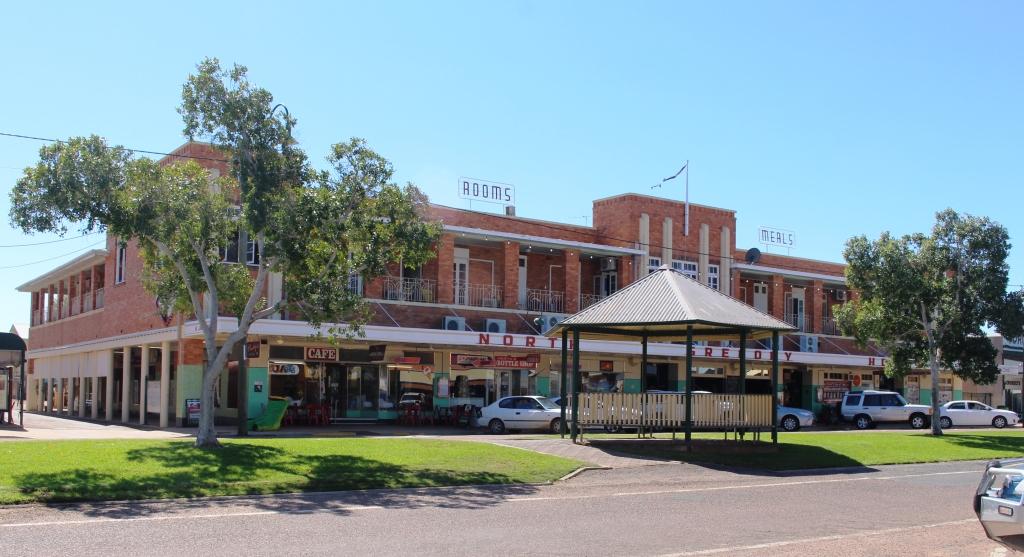
North Gregory Hotel where legend has it Waltzing Matilda was first performed

North Gregory Hotel where legend has it Waltzing Matilda was first performed

Winton has always been a prosperous place but the drought has taken its toll. There are several empty shops in the main street. But the pubs continue to thrive. The Tattersals’  hotel that occupies a corner had about 20 tables set up for lunch on the pavement and more inside. Many caravans and their towing vehicles were parked in the street. Winton must be a favored lunch stop among grey nomads.

The vacant space was once occupied by The Waltzing Matilda Centre

The vacant space was once occupied by The Waltzing Matilda Centre

As some of you will know, Winton lost its famous Waltzing Matilda Centre to fire a year or so ago. That was a serious blow to the town. But they have bounced back with a new museum called the Qantilda Museum. It is much smaller, as a great deal of history was lost in the fire, but deals with Winton’s two main claims to fame. Winton  is the birth place of Qantas Airways and Waltzing Matilda was written by Banjo Patterson at Dagworth Station to the north of Winton and was first performed in public at Winton’s North Gregory Hotel.

Self explanatory!

Self explanatory!

The “sweeping plains” continue to Winton and beyond. Green as far as the eye can see.  But in most of the pasture there are no cattle eating the lush grass. Drought plays havoc with stocking density and it takes a long time to rebuild a production herd.


The first real jump up on the way to Middleton

The first real jump up on the way to Middleton

When we came this way last year on our way to The Centre, I said that the road from Winton to Boulia was one of the most attractive outback drives in Queensland and having done it a second time I have not changed my mind. Along the first section, until just past the multiple channels of the Diamantina River, the terrain is fairly flat. Some areas are so green with lush growth that they look like a planted crop. Then  Mount  Booka Booka appears to the left of the road. From there, for the next hundred kilometres or so, the road passes through the Sword Range which is mostly a series of jump ups, or mesas, with their defining crowns of red rock and slopes clad with small bushy vegetation of brilliant green.

A main channel of the Diamantina River almost full of water

A main channel of the Diamantina River almost full of water

Last time through we did Winton to Boulia, a distance of 360 kilometres, in a day. This time, having started the day at Longreach we have broken our journey at the lonely road side pub at Middleton. There was a town of Middleton but it is long gone and only the 130 year old hotel remains. Free camping is available over the road. Most who use the area express their appreciation by patronising the hotel.

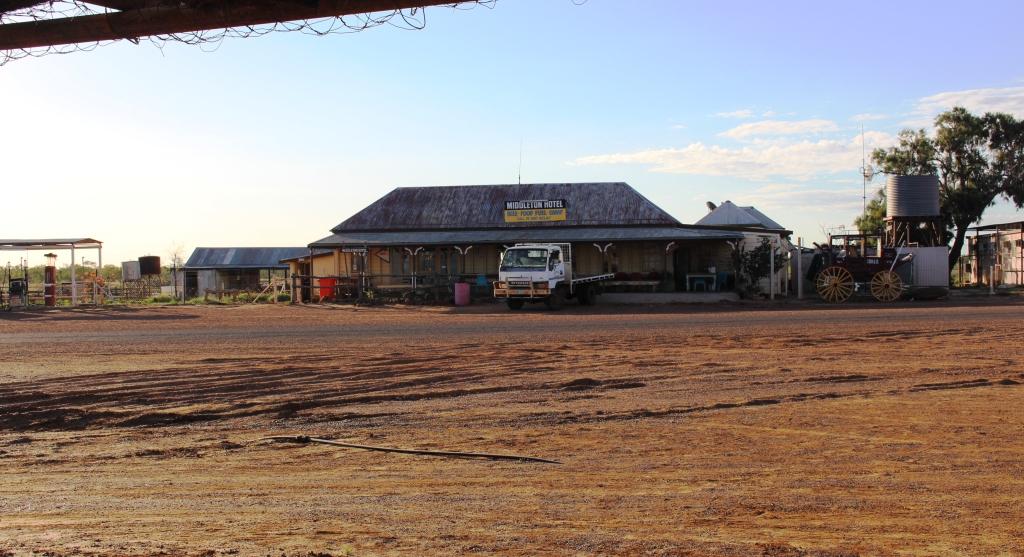
Middleton Hotel

Middleton Hotel

We went over for a drink after setting up and then later, went back for dinner. Dinner guests included a couple from Taroom in Queensland on their way to Camooweal to help run the annual drovers festival. An other couple have just travelled the Birdsville Track and were able to give us some good information on road conditions.
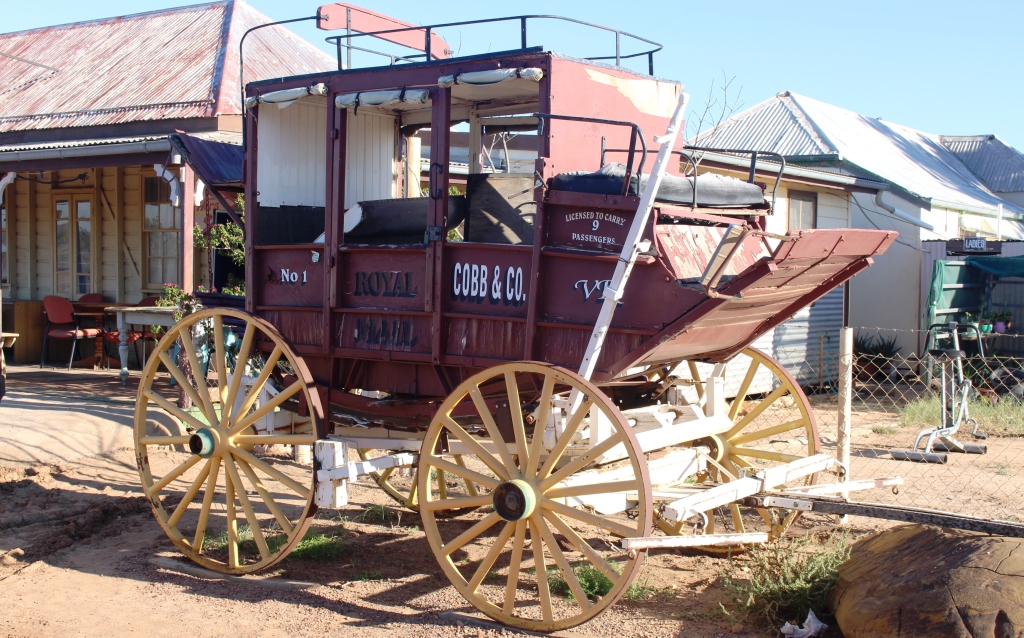
An old Cobb & Co coach stands outside the Middleton Hotel

An old Cobb & Co coach stands outside the Middleton Hotel

The Middleton Pub is over 130 years old. The area was first explored by John McKinley who was leading a group searching for lost explorers Bourke and Wills. W Middleton was second in command. The area when opened shortly afterwards was named Middleton in his honour.

The publican and his wife are elderly but are assisted by younger family members. They were most welcoming. The menu was surprisingly extensive but we chose the “house” meal of corned beef with potato, cabbage and white sauce. The serving was generous. The facilities were basic with outside toilets and showers constructed of corrugated iron. The plumbing for the shower looked like a plumber’s nightmare but the rusty shower head was large and hot water cascaded out.

We went to sleep to the gentle lowing of cattle in a yard behind the hotel, probably waiting for a truck to take them to market.

Approaching Cawnapore Lookout

Approaching Cawnapore Lookout

The overnight stay at Middleton produced an unexpected bonus. Soon after leaving Middleton, jump ups start to appear on the horizon. The road turned towards them and as we drew closer the morning sun illuminated the red stone caps and eroded upper reaches turning them to shades of deep red. The green vegetation that clings to the slopes takes on a brilliancy that makes it look painted on.

A path for the fitter leads to the summit if the Cawnpore jumpup

A path for the fitter leads to the summit if the Cawnpore jump up

A picnic shelter marks Cawnpore Lookout, a vantage point that stands above a cutting through the hills. To reach it you must scramble up a steep gravel path but the effort is well worth while. The views through 360 degrees are stunning. Those fitter than I can follow a path that leads to the very top of the jump up for even better views, I imagine.  Accompanying photos illustrate.

A view from the lookout

A view from the lookout

From here the dramatic hills reduce in frequency. The final 80 kilometres or so into Boulia returns to endless green planes with scattered trees. The only dense vegetation lines the many water ways, most of which retain some of the recent rain.


Car and van from the lookout and hills to the west

Car and van from the lookout and hills to the west

The Min Min Centre in Boulia

The Min Min Centre in Boulia

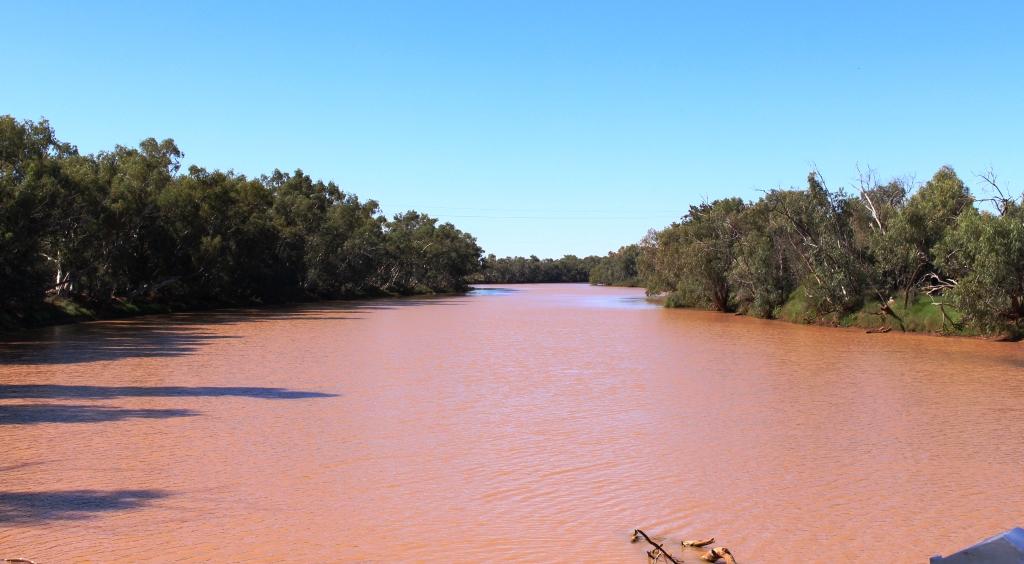
We have reached Boulia and are in the caravan park, with the Bourke River only a few metres from the back of our van. Boulia is a small service town at the junction of Kennedy and Diamantina Developmental Roads. The Donohue Highway that leads to Alice Springs via the Plenty Highway branches off just out of town. The town has museum displays of dinosaur fossils and other items relating to the past when where Boulia stands was part of an inland sea. It also has the Min Min Experience, an animated show that tells of the mysterious Min Min Lights.

A full Bourke River at Boulia.

A full Bourke River at Boulia.

Weather has been brilliant. Morning temperatures have been around 10 C with day temperatures in the mid twenties. We experienced some cloud and a few spots of rain on the windscreen as we approached Middleton, but by evening the stars shone from a cloudless sky. But we have had some chilly breezes from east to south west, but they are easy to avoid or you put on something warmer.

Tomorrow we head south for Bedourie and Birdsville.


West, Centre and Flinders – Days 12 to 17 – Traveling West

Ducks around a roadside pond as we left Rockhampton

Ducks around a roadside pond as we left Rockhampton

According to Google Maps, by the time we turn south at Boulia, we will be 1,288 kilometres by road from the coast at Yeppoon.  This will have taken about eight days, so you can see that we are not in a hurry. But we will have covered about 200 extra kilometres by turning south at Barcaldine, then travelling west to Isisford and then back to the Capricorn Highway at Ilfracombe, before turning west again to Longreach.

The coastal area is relatively flat and there is no real sensation of gaining elevation as we travel towards the Central Highlands until quite some distance west of Rockhampton. At a couple of places the climb is steep but generally the country undulates with each up grade taking us higher than the last.


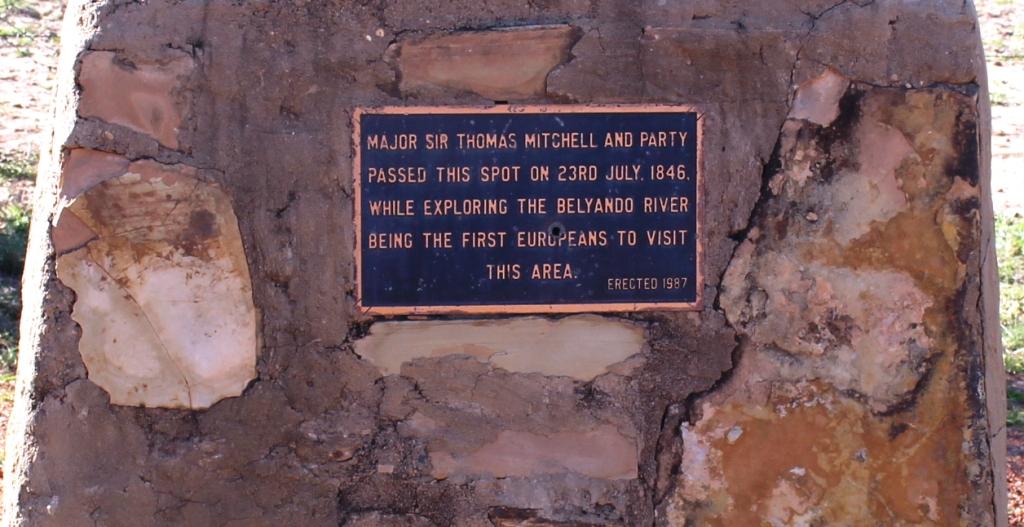
Inscription from the Mitchell plaque

A commemorative plaque to Major Sir Thomas Mitchell who explored this area

After Dingo, the road flattens and points like an arrow or wavers slightly toward the ever moving horizon which may be a distant arc where sky meets the plain or the variable outline of a range of hills. We are surprised to find that we are just 20 kilometres east of Alpha, or 460 kilometres from our starting point at the coast, before we reach the summit of the Great Dividing Range. The whole 444 metres of it! We are then in the Lake Eyre catchment. We feel as though we are getting somewhere.

Our first night was spent at Duaringa, in a council sponsored camping area, which we shared with about 40 other vans and motor homes. Late in the afternoon we were visited by a representative of the local Lions Club, with a notice that they will be serving breakfast the following morning. Egg and bacon muffins were our choice, with fruit juice.

Mobile worker accommodation at Alpha

Mobile worker accommodation at Alpha

A new shopping centre has been built on the eastern fringe of Emerald, where we stopped to buy some required items. We had intended another roadside stop that night but nothing took our fancy, so we continued to the Alpha caravan park. Alpha is near to the location of the proposed coal mine that is causing some controversy at the moment. Project type accommodation units in the park suggest that some of the development team have been accommodated here.

Next we passed through Jericho, where a road side sign proclaimed that Jericho is the only town in Australia that has crystal trumpeters. Well they would, wouldn’t they?

Part of the long main street of Barcaldine

Part of the long main street of Barcaldine

Since we left Rockhampton we have met an endless parade of caravans and motor homes. You name a brand and we have probably seen it. Strangely, there has been very little traffic, caravan or otherwise, going in our direction. When on country highways we cruise at about 80 kph. Most vans and almost all other vehicles, road trains included, travel much faster than we do, particularly when the speed limit is 110 kph. Perhaps it was because we were travelling on Saturday and Sunday. I think the lack of caravans going our way has to do with the direction in which southerners do their loops through NSW and Queensland. The majority seem to travel north inland and return home via the coast.

Inside the Tree of Knowledge memorial

Inside the Tree of Knowledge memorial

Barcaldine is reached next. It has historical fame as the birth place of the Australian Labor Party. Shearers famously went on strike here in the late nineteenth century. By the look of the main street on Sunday, when we passed through, no one much has gone back to work. Caravans and motor homes lined both sides of the long main street but barely a shop was open to serve them. Is this the dead hand of unionism or high Sunday penalty rates? Or perhaps trading laws?

Set up among the trees at Barcaldine South

Set up among the trees at Barcaldine South

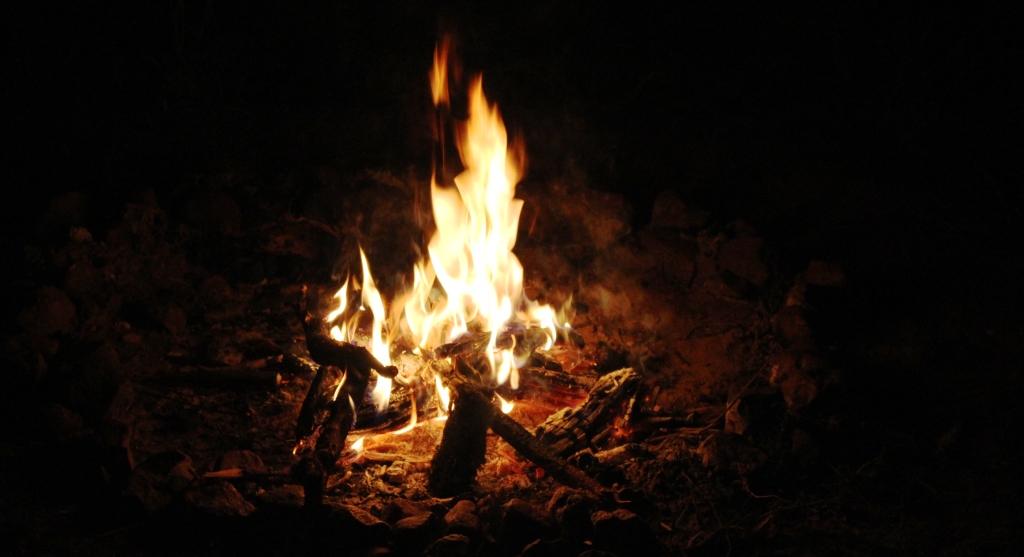
Barcaldine marked the temporary ending of our westward passage as we turned there to go south to Blackall. A convenient roadside rest area about 30 kilometres south provided a suitable over night stopping place. And with a bonus! Some kind soul had left a small pile of firewood right where we parked the van for the night.  So we had dinner under the stars by firelight. Adding to our carbon footprint, of course! We thank the kind prior occupant.

Our one and only camp fire for the trip so far

Our one and only camp fire for the trip so far

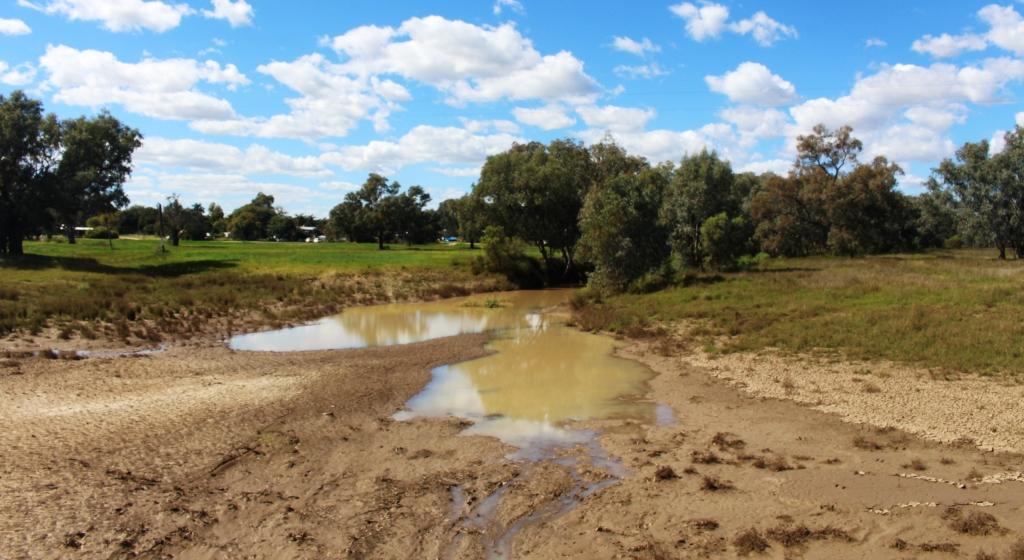
The Barcoo River at Blackall

The Barcoo River at Blackall

The following day we continued south to Blackall. This substantial town is on the Landsborough Highway and on the Barcoo River. After refueling we turned wast to travel across the rich flood plains of the Barcoo River system. Like many rivers in this area it is not a single stream but a series of channels and water holes that only flow when there is significant rainfall.

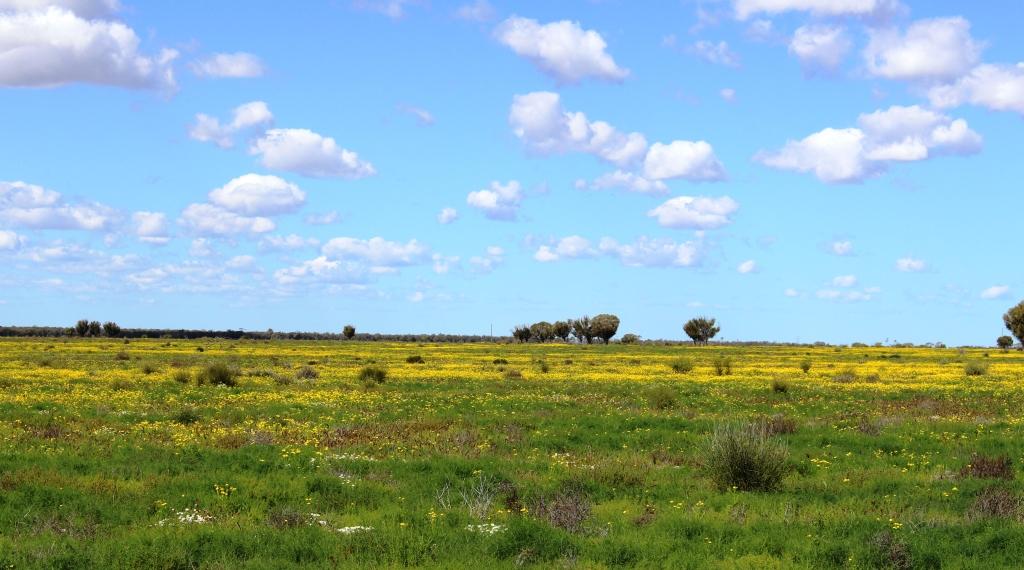
Yellow daises adorn the Barcoo flood plains

Yellow daises adorn the Barcoo flood plains

The recent rains have done their work and what was barren drought afflicted earth is now brilliantly green, with grazing stock and expanses of wild flowers. We think the flowers are daises, some white but mostly yellow. It was a very pleasant drive along a good sealed road that was almost normal double carriage way width most of the way.

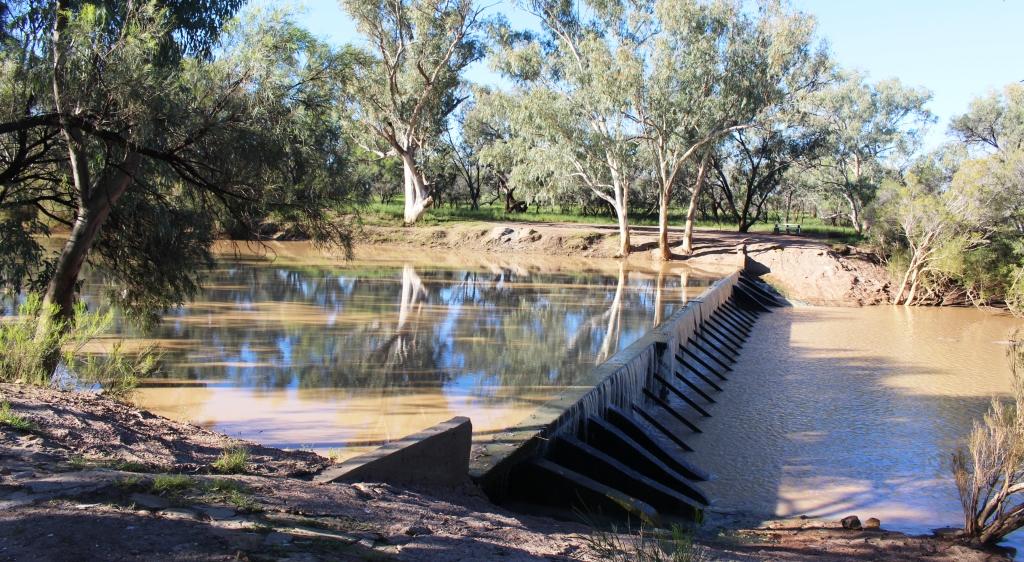
Weir on the Barcoo at Isisford

Weir on the Barcoo at Isisford

At Isisford we set up the van for the night in a council supplied area beside the weir that retains some of the water in the Barcoo. We slept to the gentle rumble of water cascading over the spillway as the recent rains make their way down stream to join with the Thompson River near Jundah to become the famous Cooper Creek.

Set up on the river bank as Isisford

Set up on the river bank as Isisford

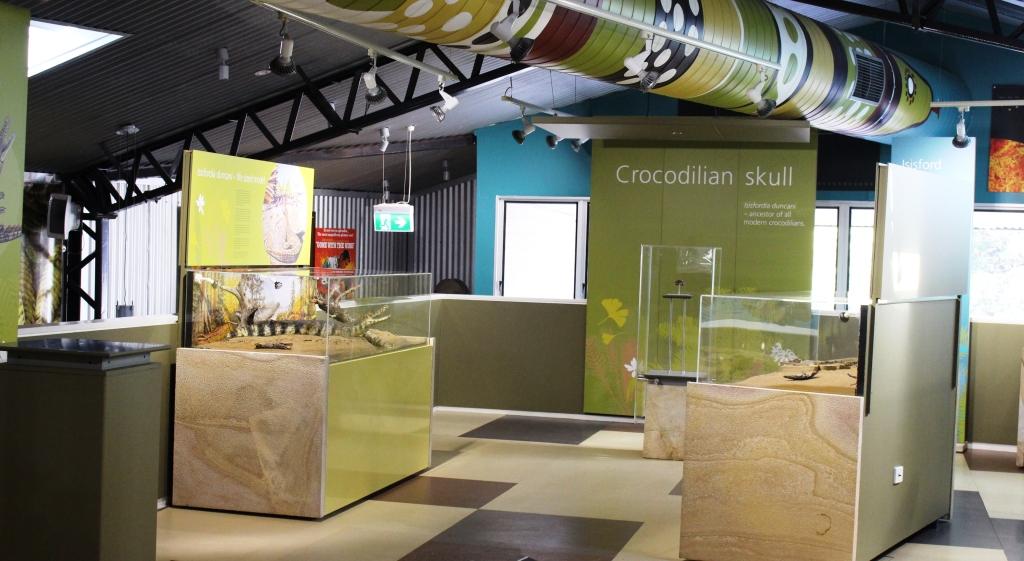
Inside the crocodile museum at Isisford

Inside the crocodile museum at Isisford

During the afternoon we took a walk through the small town. We were surprised to see a modern coffee shop with alfresco tables. On closer scrutiny, we realised that it was part of museum for the display of fossils of a prehistoric crocodile found in the area some years ago. The Isisford croc, scientifically known as Isisfordia Duncania (the last part for the discoverer whose surname was Duncan). The Isisford croc is believed to be the ancestor of the 20 plus species of crocodile and alligator known today.

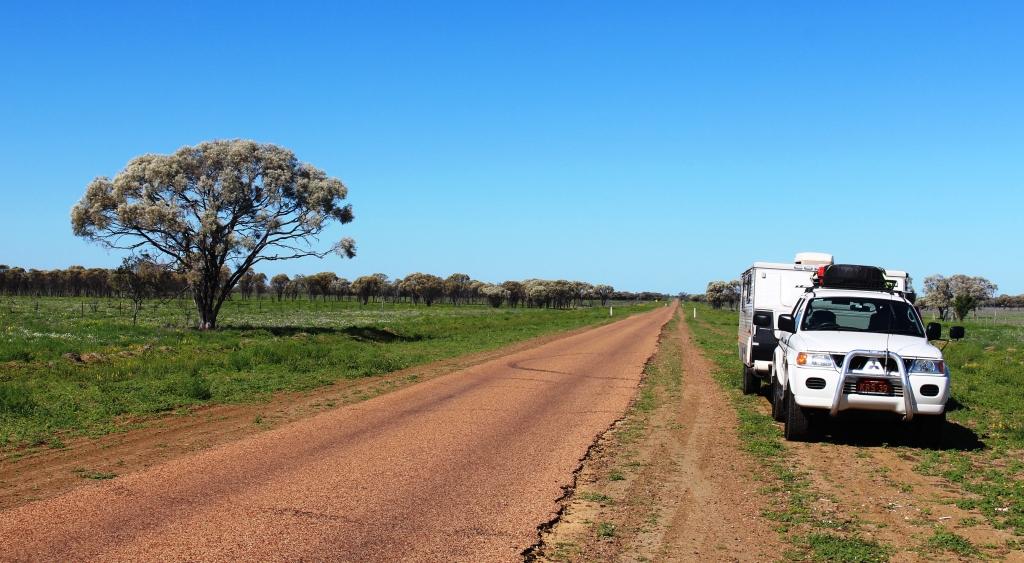
The road between Isisford and Ilfracombe is not as wide as that traveled the previous day

The road between Isisford and Ilfracombe is not as wide as that traveled the previous day

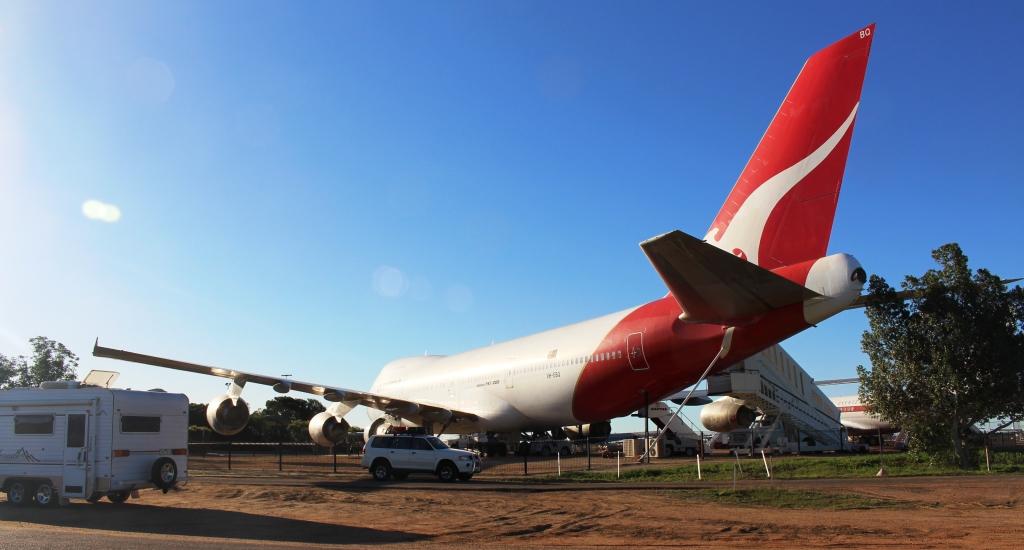
A jumbo jet at the Qantas Founders Museum

A jumbo jet at the Qantas Founders Museum

The Thompson is the river at Longreach. We arrived here yesterday. We have visited and blogged about Longreach before and have previously visited its main attractions. The Qantas museum is obvious as you drive into town. A jumbo jet parked by the road in a country town can hardly be missed. The Stockman’s Hall of Fame is almost directly opposite on the other side of the highway.

The Stockmans Hall of Fame

The Stockmans Hall of Fame

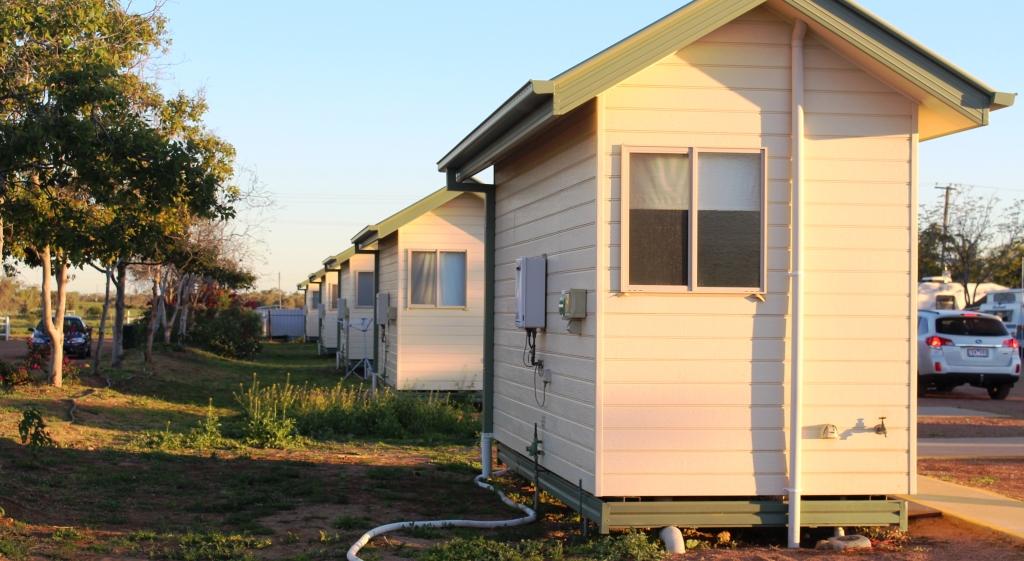
En suit units at the caravan park. A row of what?

En suit units at the caravan park. A row of what?

We are at the Longreach Tourist Park and have declared a lay day. That means that we have delayed moving on for a day. It was time for a breather after five days on the move.

West, Centre and Flinders – Days 9 to 11 – Relatively Speaking

My Nexus 7 tablet developed charging problems before we left home. They became worse as we travelled. I use navigation apps on the Nexus which run while we travel. Normally, because it is plugged into a 12 volt charger all day, we arrive at that days destination with the Nexus fully charged. Now it slowly goes flat during the day.

After a few tries I found a repairer in Rockhampton who was prepared to look at it. His diagnosis is that wires that connect the USB port are loose and need soldering. But on such a device the repair requires micro soldering and that is not a common process and probably not available outside of Brisbane at best. So the much loved Nexus is out of service, at least until we are back in Brisbane.

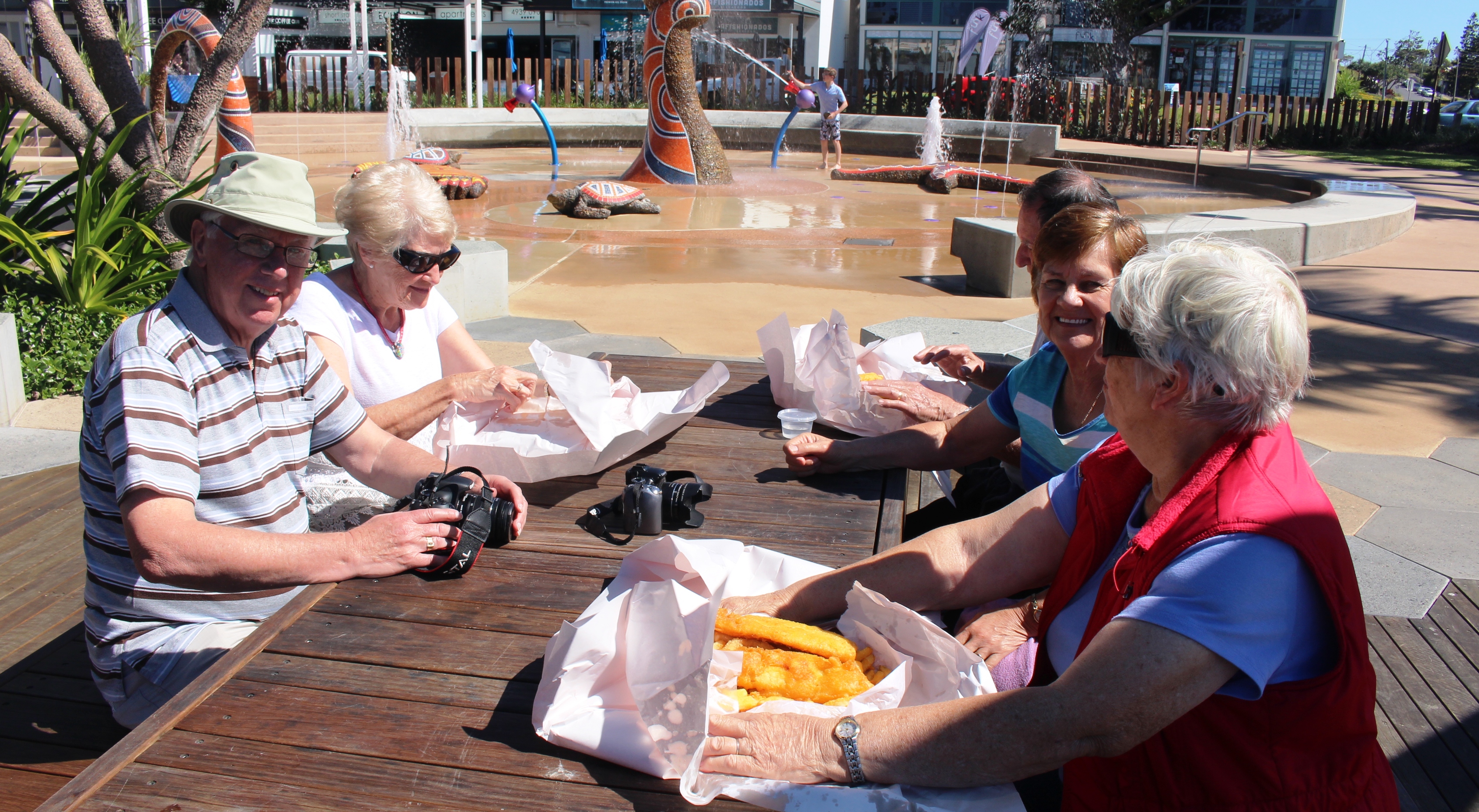
Ready to deal with the fish and chips

Ready to deal with the fish and chips

Fortunately I have another tablet, a Samsung Tab 3, which I received from Telstra as a reward for upgrading the data package on my phone. I have transferred the navigation apps to the Tab 3 but it has a larger screen that the Nexus so won’t fit in the frame attached to the dash board of the car. So I have had to order a larger size which, hopefully, will meet us in Longreach, on Tuesday. We will, of course, spend at least part of Tuesday night filling in our Census form.

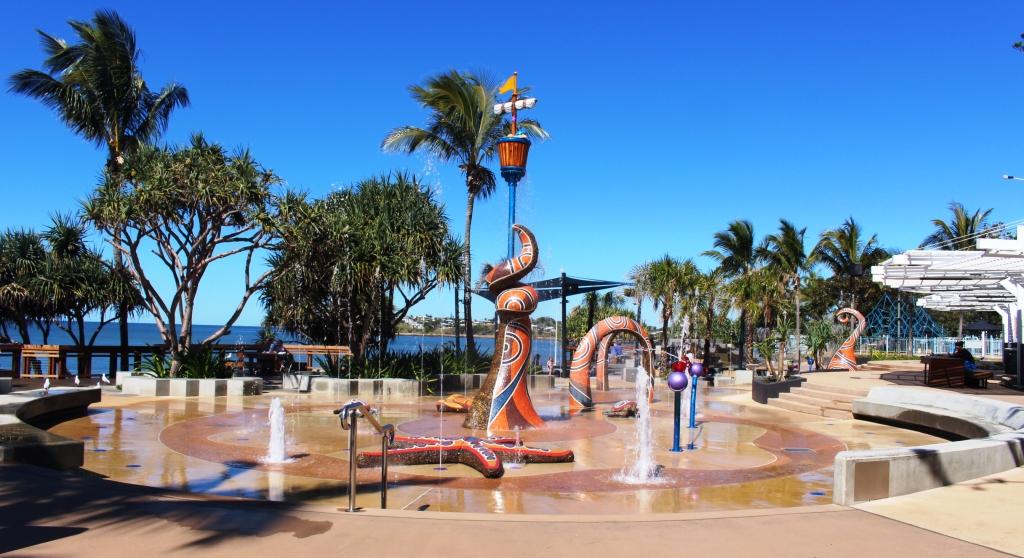
The wet play area at Yeppoon

The wet play area at Yeppoon

But back to the narrative! The distance from Gracemere to Kinka Beach is only 60 km, so even with a stop at the shops in North Rockhampton, we were at Kinka Beach by 11.30 am.  Registration formalities complete, we proceeded to park the van beside the allotted concrete slab. No easy task, as there was a large tree in the way. We finally prevailed, had lunch and settled in to wait for the arrival of Sister Aileen and brother-in-law Colin and their friends Marj and Vic.

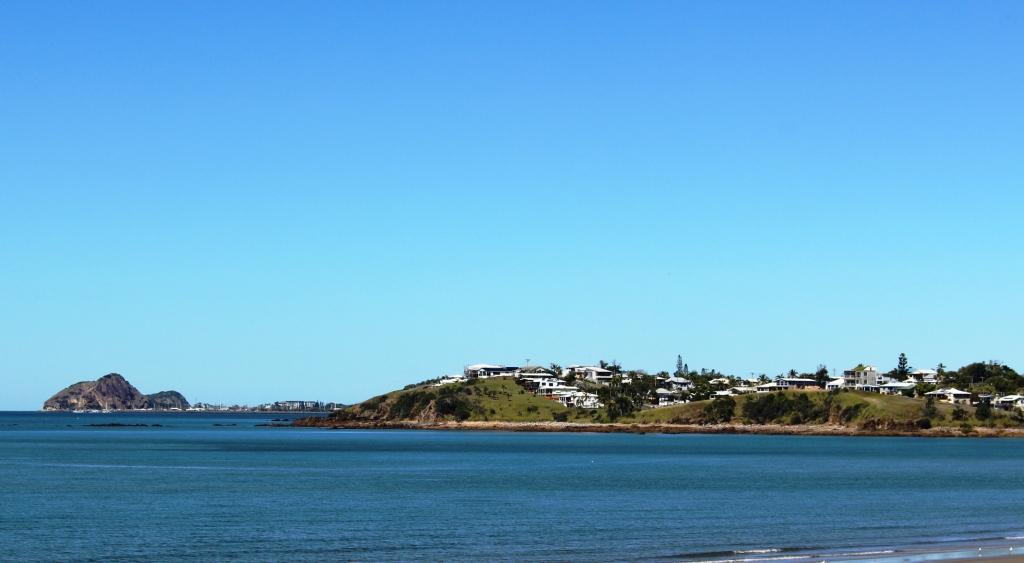
View south from Yeppoon. Rosslyn Bay is on the left

View south from Yeppoon. Rosslyn Bay is on the left

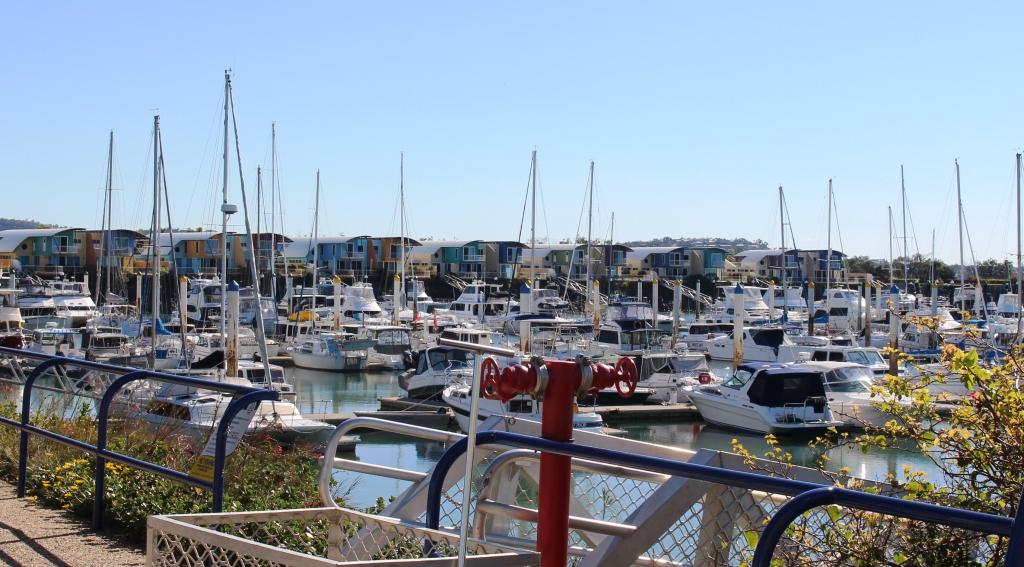
We didn’t do a great deal during the two days.  An outing to Emu Park the first day to stock up on food. Ruth went with the others while I stayed behind to get my blog up to date. On day two we drove up to Yeppoon for lunch (excellent fish and chips followed by coffee) and then drove steadily back down the coast road, known as Scenic Highway, taking in the panorama of beach, ocean and islands and stopping in at the Rosslyn Bay marina, where we sat and watched what little activity there was while soaking up some wonderful sunshine. Here I write particularly on behalf of the four Victorian visitors.

Boats and residential area at Rosslyn Bay

Boats and residential area at Rosslyn Bay

In between, we spent a considerable amount of time chatting, as we caught up on news of the Victorian branch of our family, seated in the sunshine and protected as much as possible from a pesky chilly south westerly wind. Daytime temperatures were low to mid twenties, but overnight got down to below 10 C most nights. But that is mostly how it has been since we left home.

West, Centre and Flinders – Days 5 to 8 – Filling In Time

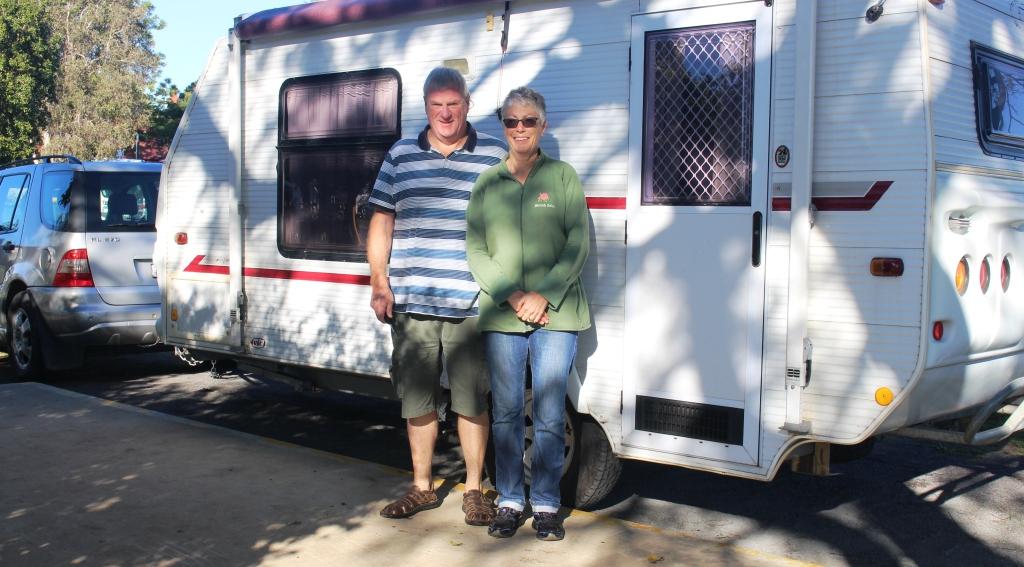
Keith and Linda. Van packed and hitched and ready to go

Keith and Linda. Van packed and hitched and ready to go

Our original plan, on which we set our departure date, had us meeting Keith and Linda (see previous post) further north, possibly as far north as Airlie Beach. But their progress down the coast was a bit faster than we had anticipated so we met them at Bundaberg, as most readers will already be aware.


Near the mouth of the Burnett River at Burnett Heads

Near the mouth of the Burnett River at Burnett Heads

When we parted with them at Burnett Heads we had five days in hand for which we had no predetermined plans. Not a problem! There are always things to look at and places to go.

Beached flood debris on Rules Beach near Baffle Creek

Beached flood debris on Rules Beach near Baffle Creek

We decided to spend a couple of days at Agnes Water/Seventeen Seventy, but a lot of other people had made the same decision. All caravan parks were fully booked. As an alternative we chose Baffle Creek Caravan Park, located about equidistant from Bundaberg and Seventeen Seventy.

If you want other residents to talk to you at Baffle Creek Caravan Park it is best to arrive with a boat on top of your car, or at least have a conspicuous fishing rod on board. This is a fishing area and people go there to fish. We used it as a base for a day trip to Agnes Water and Seventeen Seventy.

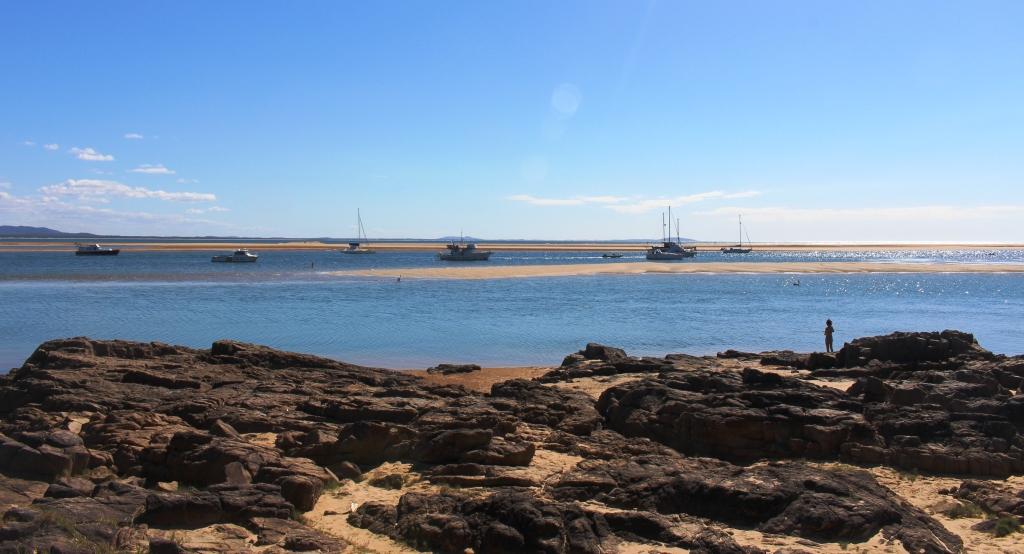
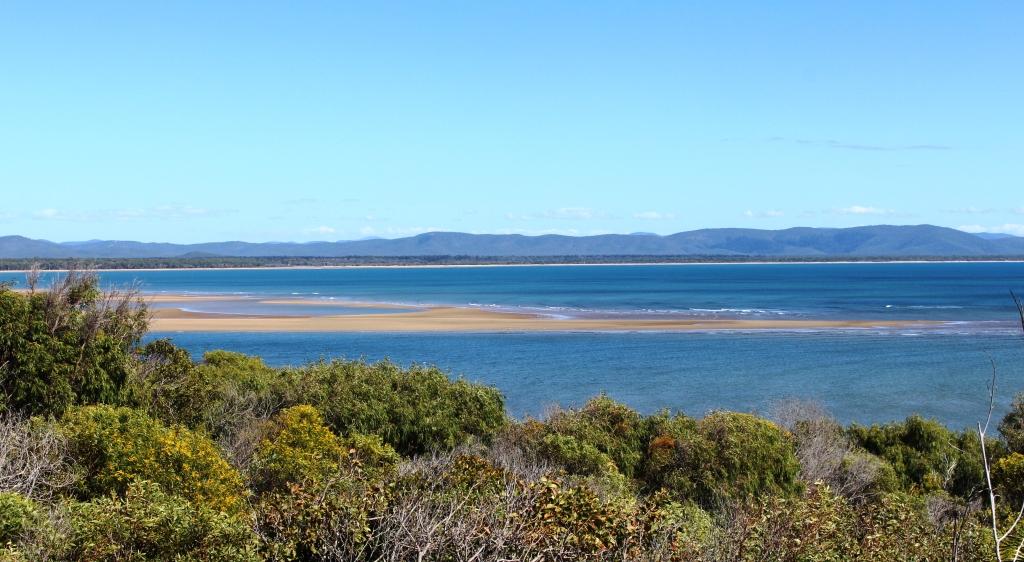
Sand banks in Round Head Creek at Seventeen Seventy

Sand banks in Round Head Creek at Seventeen Seventy

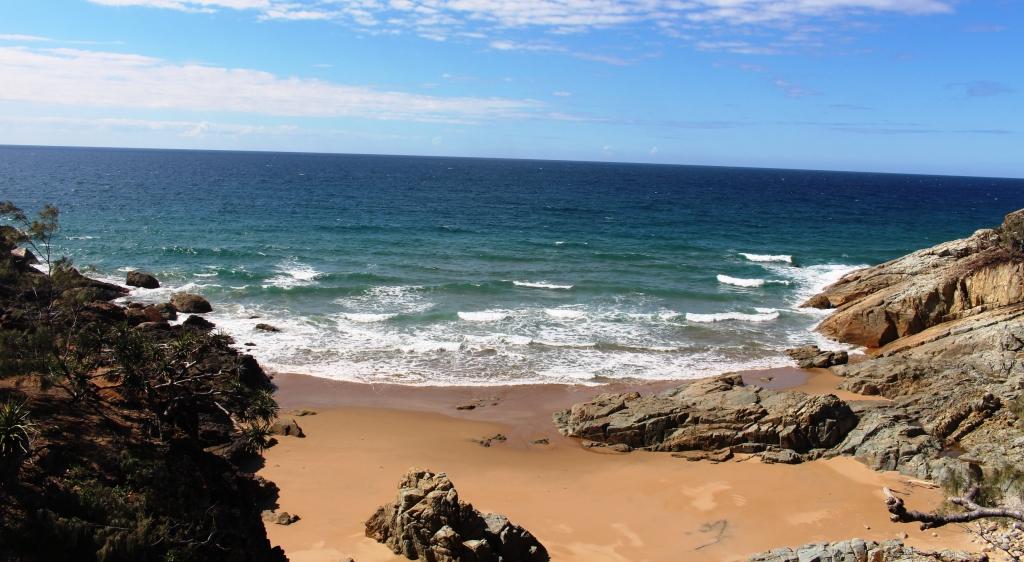
We have visited this area before and I have blogged about it. The day was near perfect. Clear skies and a gentle breeze, although up on Round Hill Head, the headland that stands above the town of Seventeen Seventy, the wind was stronger. We did a couple of walks to take in the rugged scenery and the panoramic views of the ocean provided by this vantage point, before returning to the water side park, near the Seventeen Seventy hotel, where we settled ourselves in a picnic shelter for a leisurely lunch.

A small bay on the ocean side of Round Hill Head

A small bay on the ocean side of Round Hill Head

Boats at anchor in Round Hill Creek

Boats at anchor in Round Hill Creek

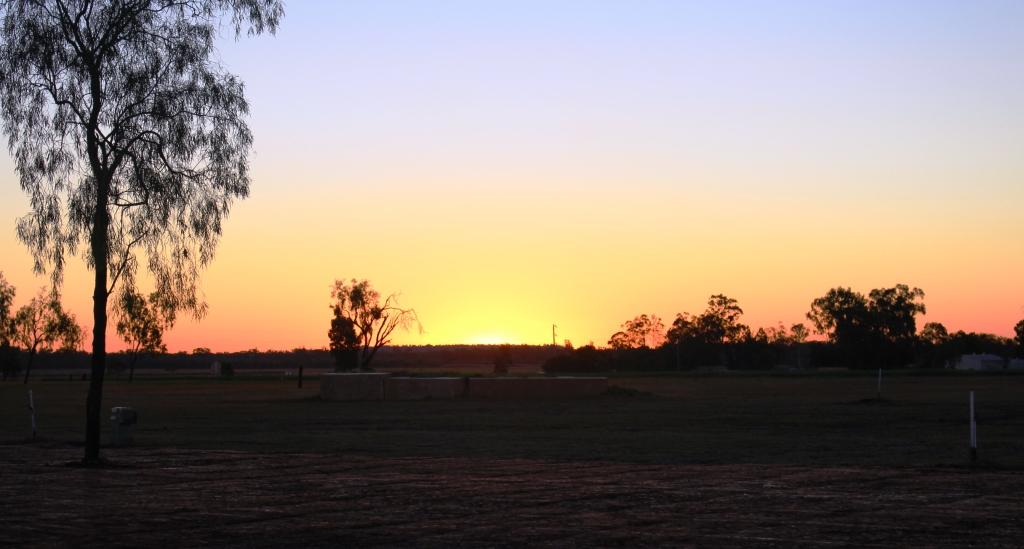
The sun sets over the agricultural fields at Biloela

The sun sets over the agricultural fields at Biloela

That took care of the first two days. For the remaining three days we decided to go inland to Biloela via Calliope and the Dawson Highway. We wanted to cross from Miriam Vale to the Boyne Valley, as an alternative road to Calliope, but tales of horrendous road conditions on the first part of that road put us off, so we stayed on the Bruce Highway.

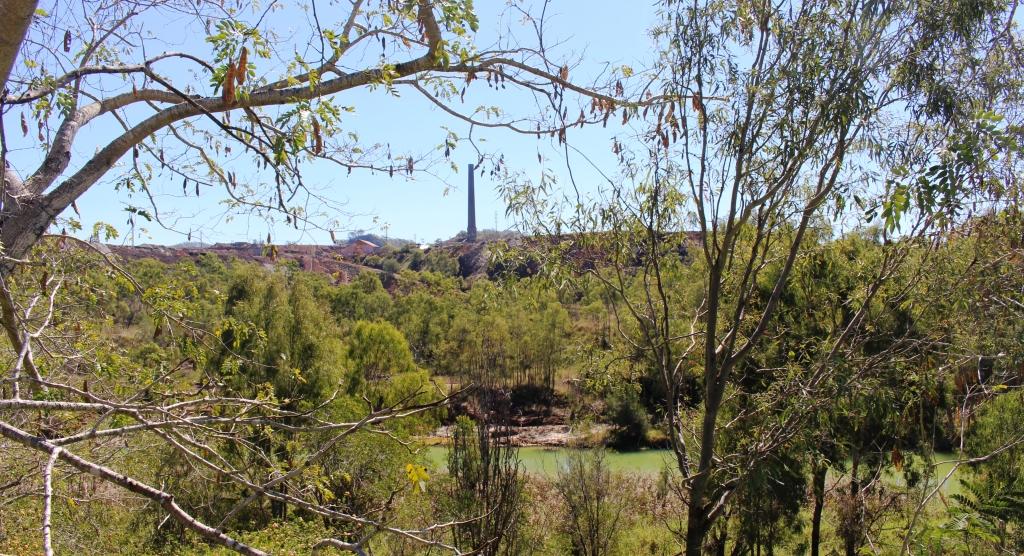
The 70 metre chimney at Mount Morgan gold mine

The 70 metre chimney at Mount Morgan gold mine

We returned to the Queensland Heritage Park at Biloela for the night. In our short trip north in June we had spent a night here so were on familiar tertiary.

The logical path to the Yepoon area from Biloela took us through Mount Morgan. I think we had only driven through this historic gold town previously but our plans for a closer look were made a bit more difficult when we found that the only decent caravan park in Mount Morgan was booked out.

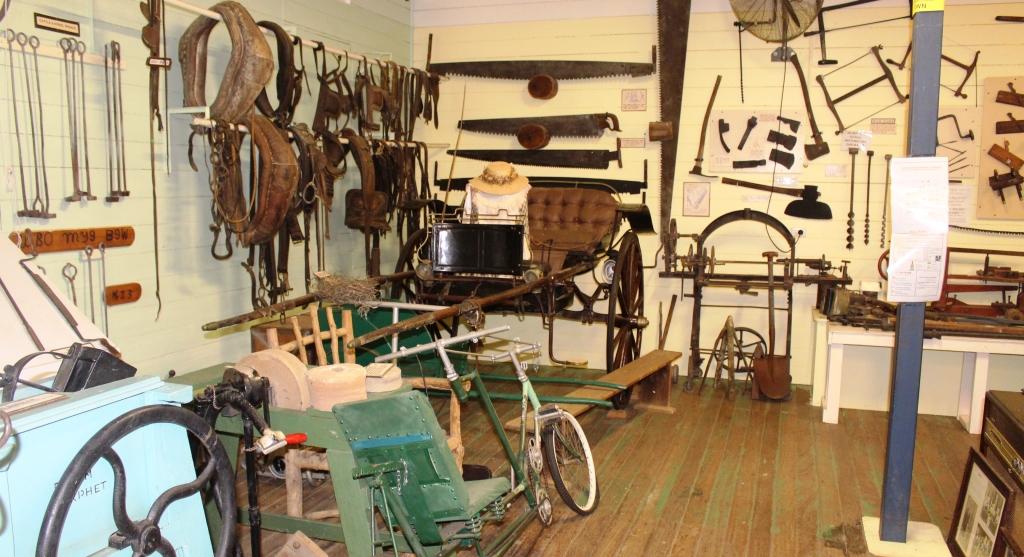
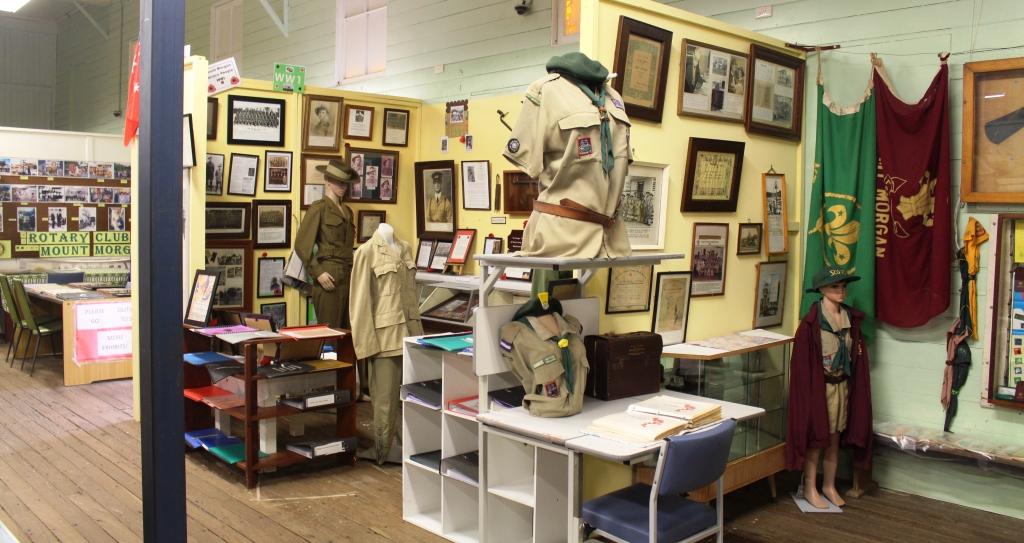
Mount Morgan museum display

Mount Morgan museum display

Mount Morgan museum display

Mount Morgan museum display

Mount Morgan museum display

Mount Morgan museum display

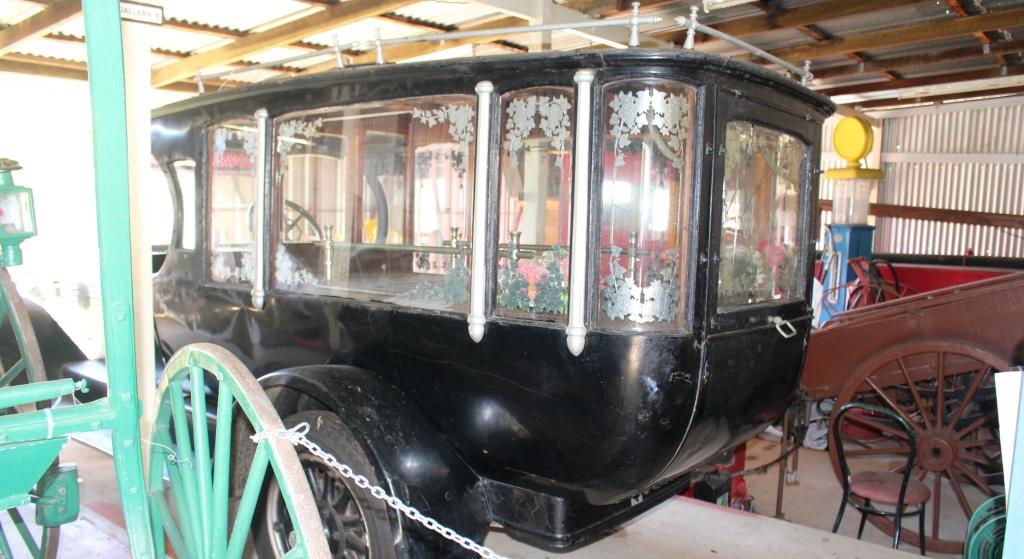
A rear view of Mount Morgan's first motor hurse

A rear view of Mount Morgan’s first motor hurse

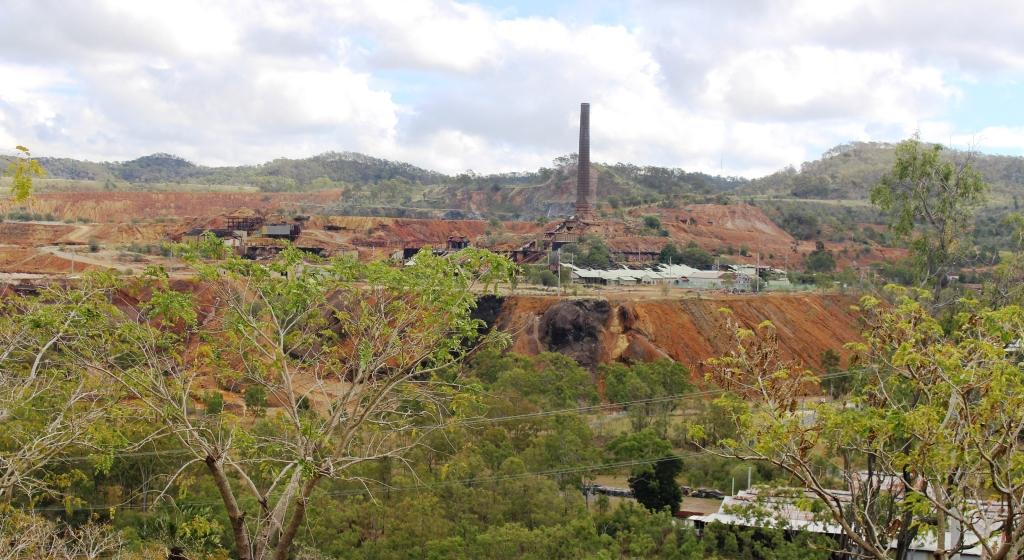
The old gold mine, viewed from a vantage point in the town

The old gold mine, viewed from a vantage point in the town

So we booked two nights at Gracemere, a town that is now almost a suburb of Rockhampton, but still close enough to Mount Morgan to make a day trip back. On our way through the town we drove around to get our bearings and to find mine viewing vantage points. We then visited the superb museum in the town. The vast collection of historical memorabilia is divided into categories and themes, with the mine dominating. But other sections contained material related to the hospital, armed forces, scouts and guides, religions, local aboriginal history and more.

We found that a tour of the mine was available on a daily basis so when we reached Gracemere we phoned to make a reservation for the next day.

The head equipment of the shaft that took miners to their work

The head equipment of the shaft that took miners to their work

Gold mining was commenced by two Morgan brothers in 1882 but the scale of operations increased in 1888 when a company was formed and more finance became available. Mining finally ceased in 1990 but there was a period in the late 1920s when the mine was closed for five years, due to flooding to extinguish a fire in the mine shafts.

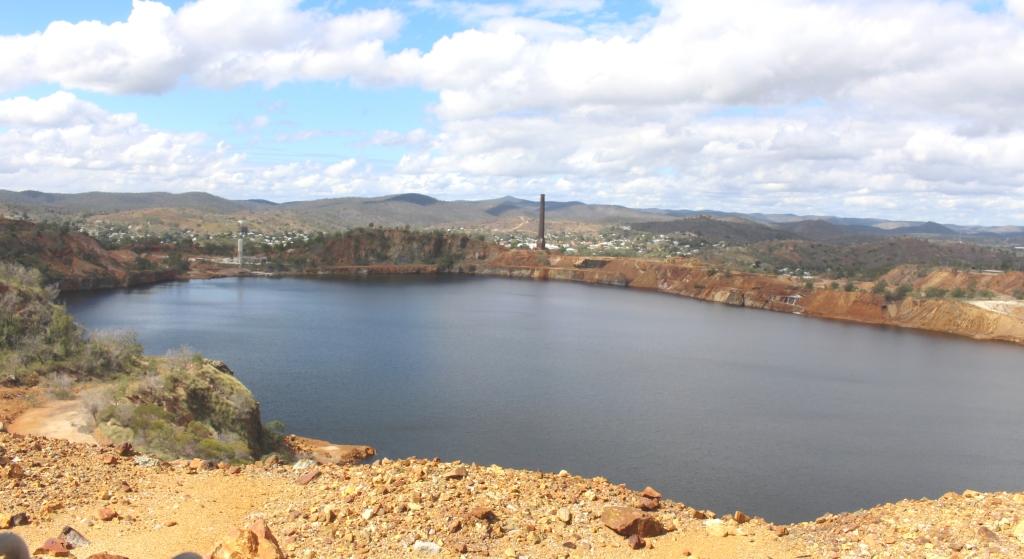
The pit, one of the largest in the Southern Hemisphere, is now almost full of water

The pit, one of the largest in the Southern Hemisphere, is now almost full of water

But it was a very successful mine for most of its one hundred year life and many fortunes were made. One example of this was Walter Hall who was an early shareholder and director. Some of his fortune was later used to found the Walter and Elisa Hall medical research foundation.  This is just another example of the extent to which gold played such a dominant role in the foundations of Australia.

A model of the Mount Morgan pit displayed in the museum section of the company office

A model of the Mount Morgan pit displayed in the museum section of the company office

Our return to the caravan at Gracemere brought to a conclusion the brief period of filling in days. The next day we travelled to Kinka Beach, south of Yepoon, for our few days with sister Aileen and brother-in-law Colin, before we head west for the main part of this trip.