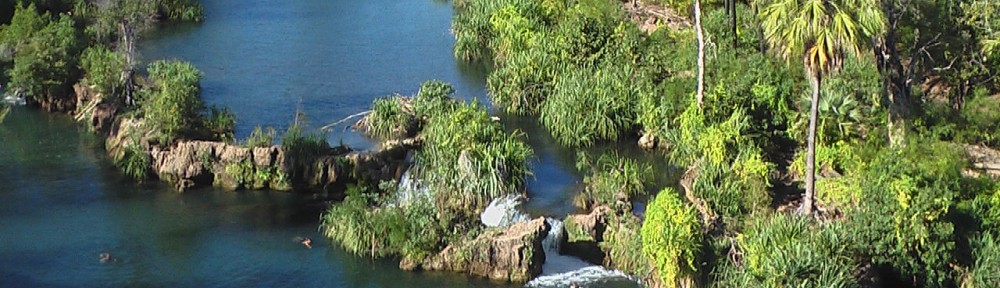
Sydney 2014 – Day 8 – 24th January – The Watagan Mountains

We had planned to take Judy and Alan with us on a drive into the Watagan Ranges for a picnic, but they had commitments that could not conveniently be changed, so we excused them and went by ourselves. We were following an established trek that included features of the Watagan National Park and surrounding state forests. This was another gravel road, and another opportunity to operate the Challenger in 4 wheel drive mode.

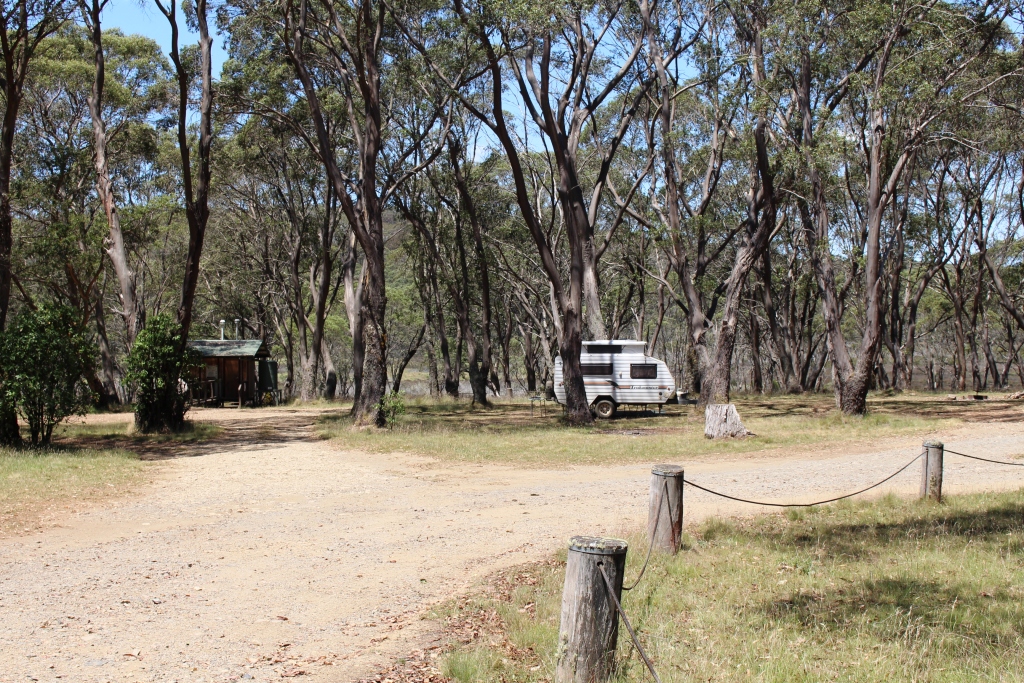
A roadside view through the trees

A roadside view through the trees

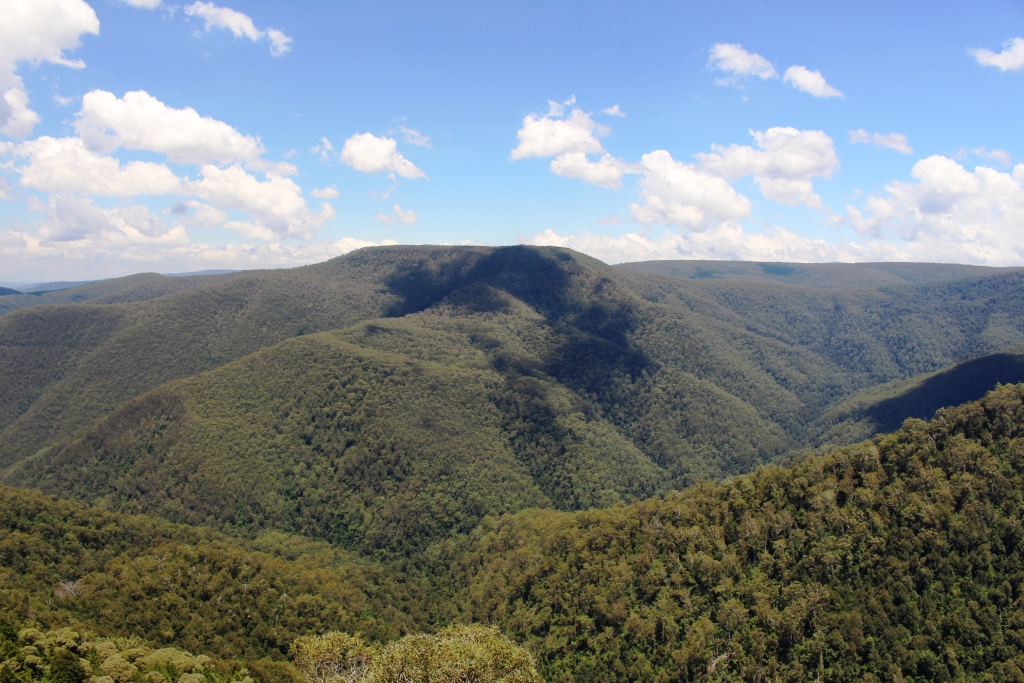
Our highest altitude during the day was around 550 metres so these mountains are dwarfed by those that we had visited over the last few days. The highlights of the trip were picnic and camping areas and lookouts. There are some areas of semi rain forest but the bush scenery was fairly ordinary. But on this last day before a long weekend the camping areas were filling up so it was easy to see the value of the area to residents of Sydney and Newcastle who are looking for an escape from city congestion.

There had been some rain so the dust was settled but had only produced a few wet spots. The road was in good condition with only a few washed out and corrugated sections. We crossed a number of ranges during the day so the drive was quite varied. As my beginnings were well and truly in the bush I love to return to it. I guess I am revisiting my roots to some extent. I think Ruth, brought up in the city, sometimes wonders what it is all about.
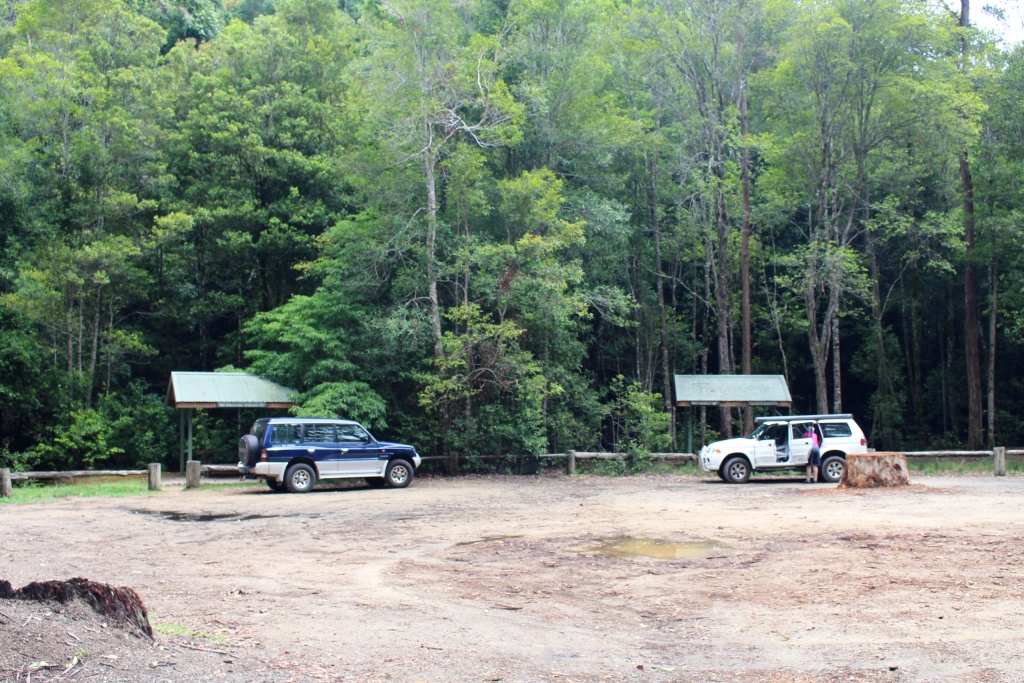
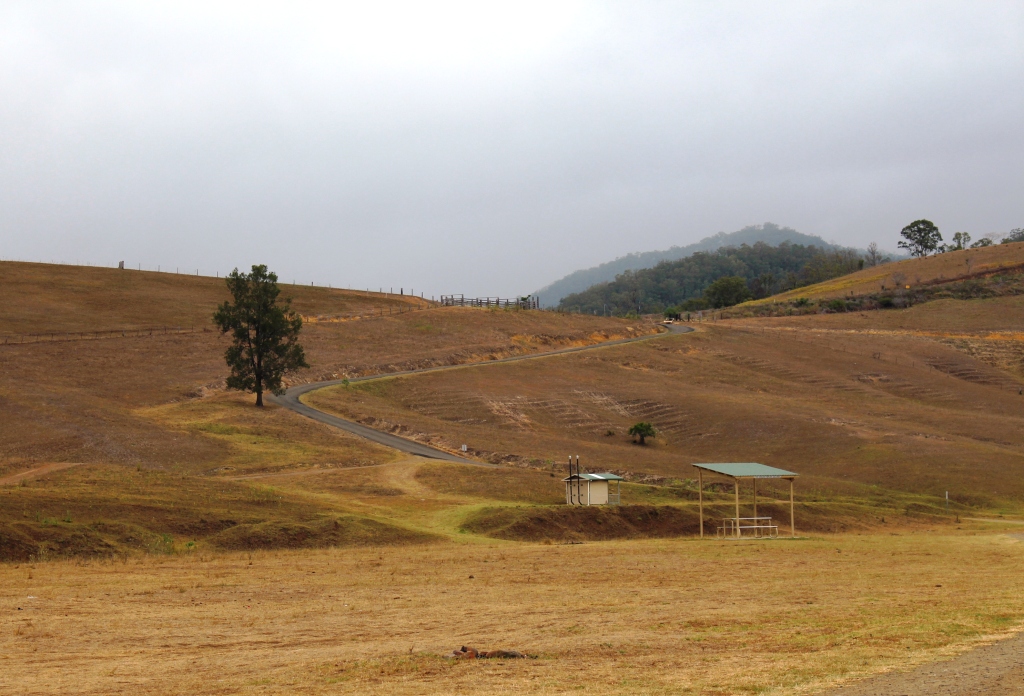
Boarding House Dam picnic area

Boarding House Dam picnic area

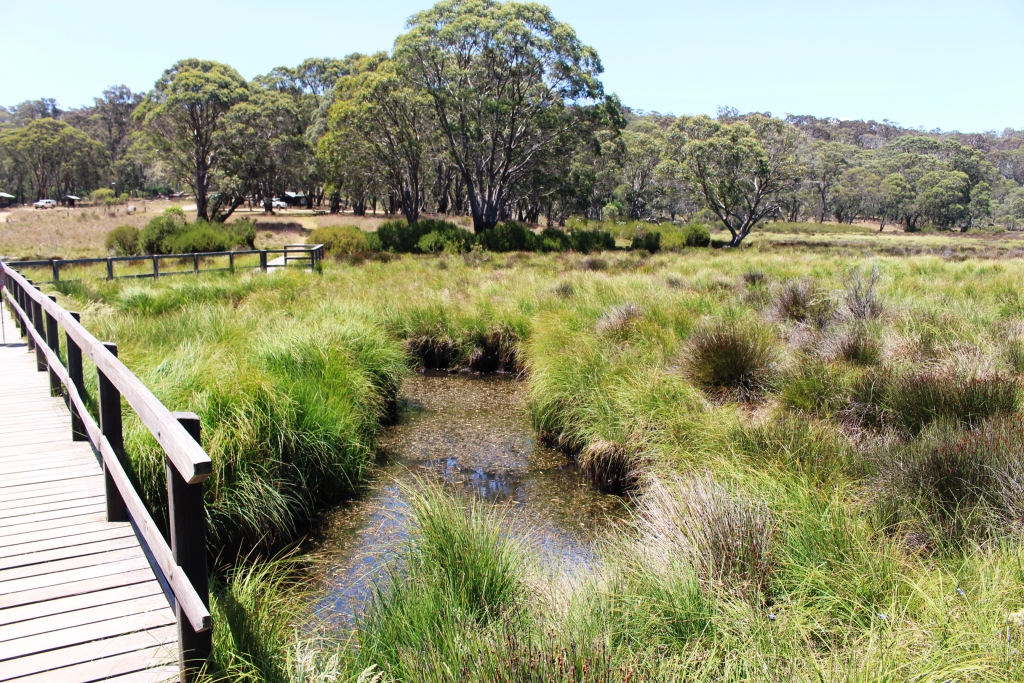
We stopped for lunch at Boarding House Dam picnic area. The facilities are set in a glen that could have been a small volcano crater. The stream was dammed many years ago to provide water for a boarding house that  accommodated timber cutters during early logging operations. We drove through regenerated and plantation areas not too far away.
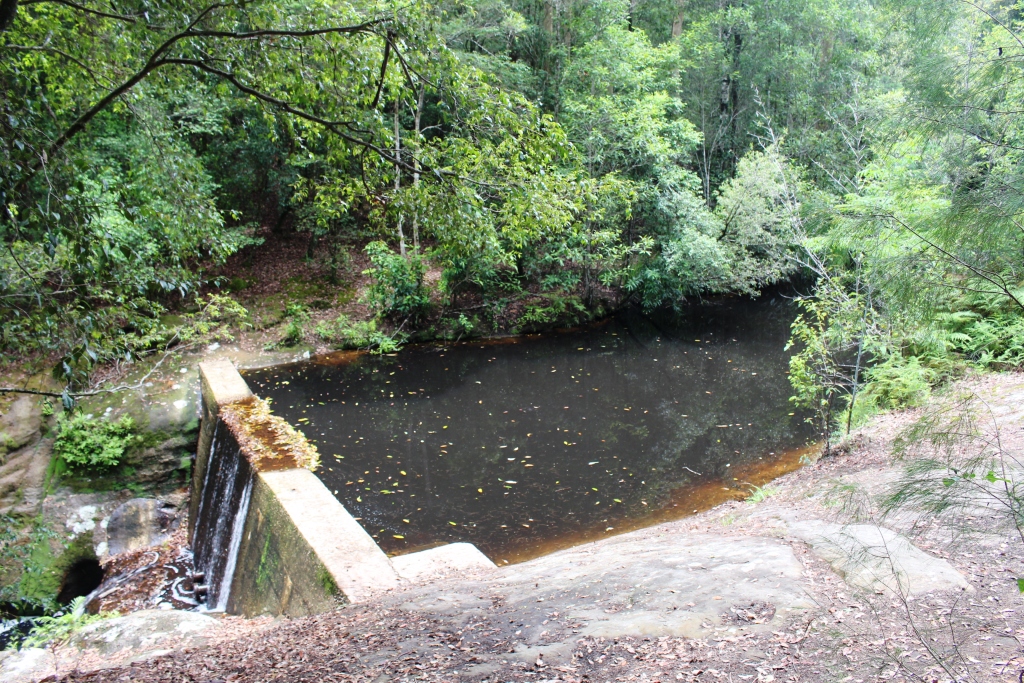
The dam that gives the area its name

The small dam that gives the area its name
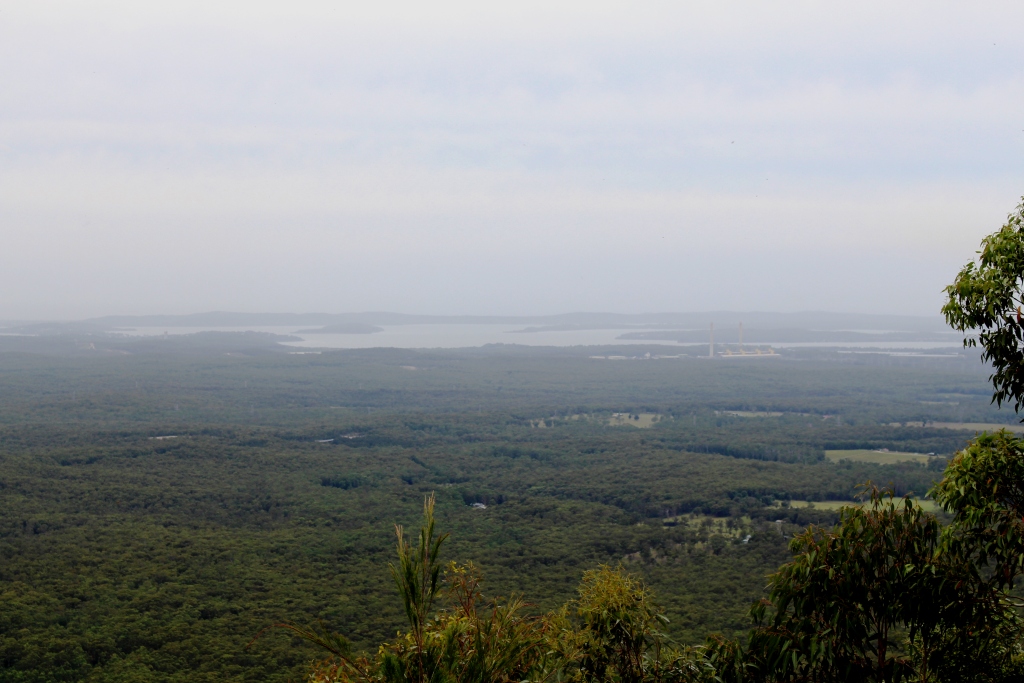
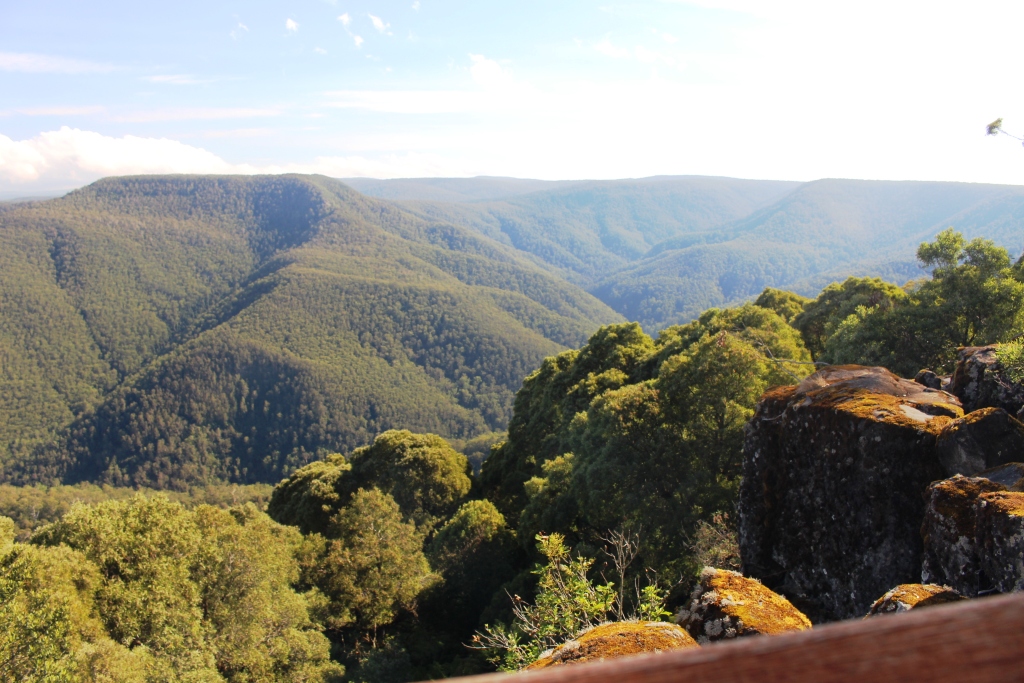
The view from Heaton's Lookout

The view from Heaton’s Lookout

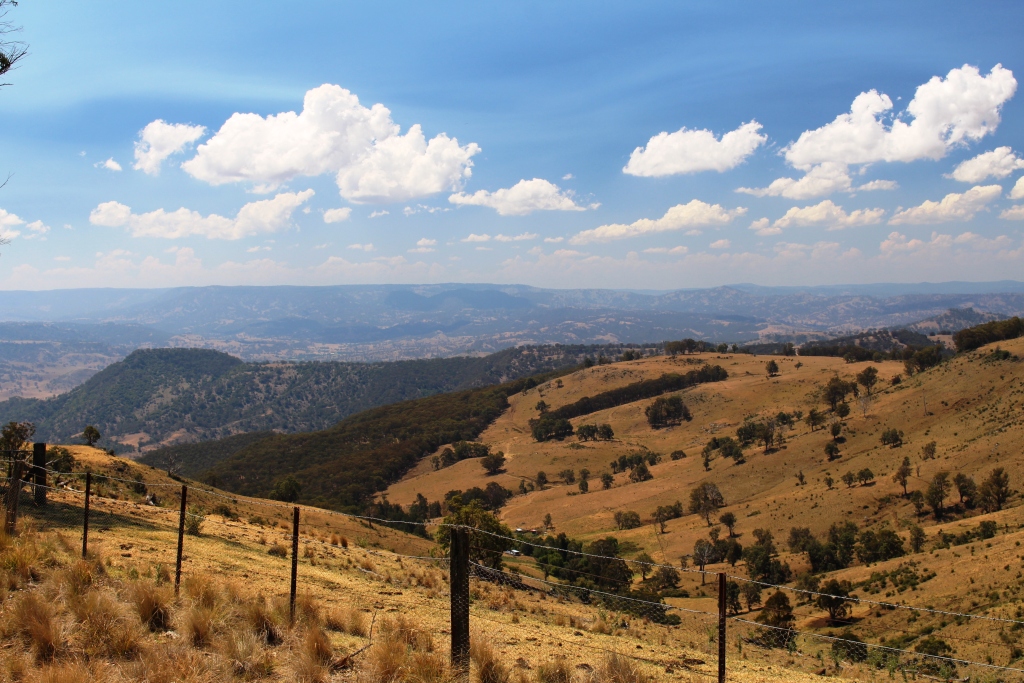
The last feature of the day was Heaton’s Lookout that provides sweeping views over the coastal lakes of the Central Coast of NSW. Unfortunately there was a great deal of haze so the view was not all that good, but worth the drive.

Instead of following the trek back to the Sydney-Newcastle Highway we retraced our steps for few kilometres and drove down the mountain to Cessnock and Pokolbin to have a brief look

An impressive facility at Pokolbin

An impressive facility at Pokolbin

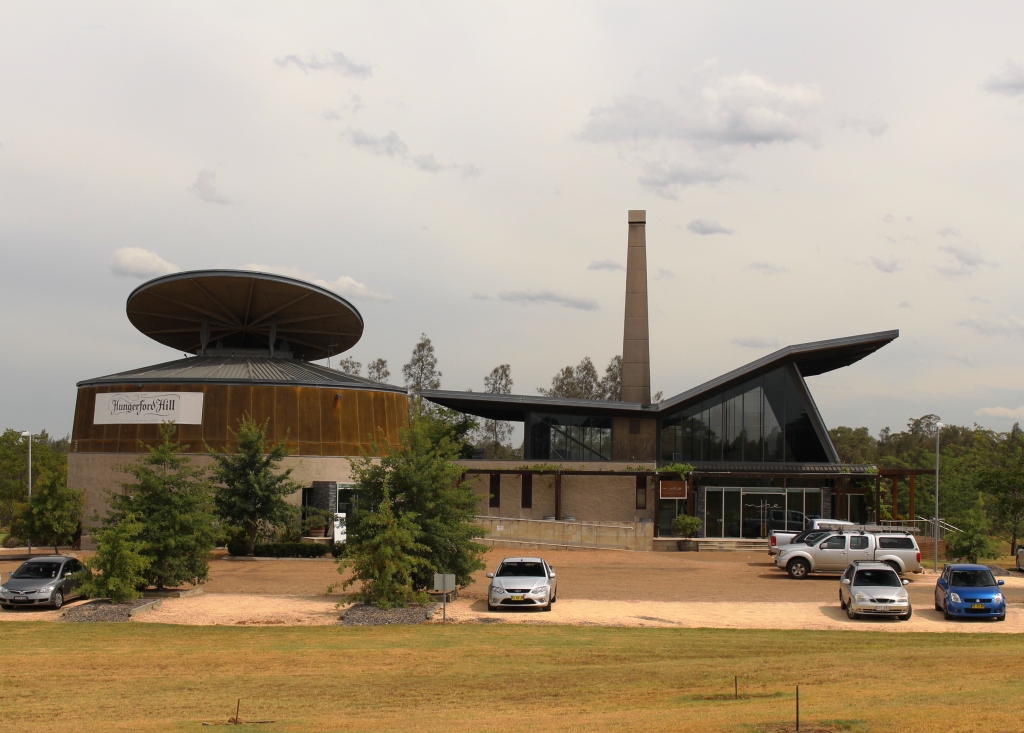
at the Hunter Valley vineyards. In the early years of our residency in Brisbane we often came through this area to avoid the congestion on inadequate roads. It was interesting to see the development and the money that has been spent on cellar door developments at some of the better known wineries.
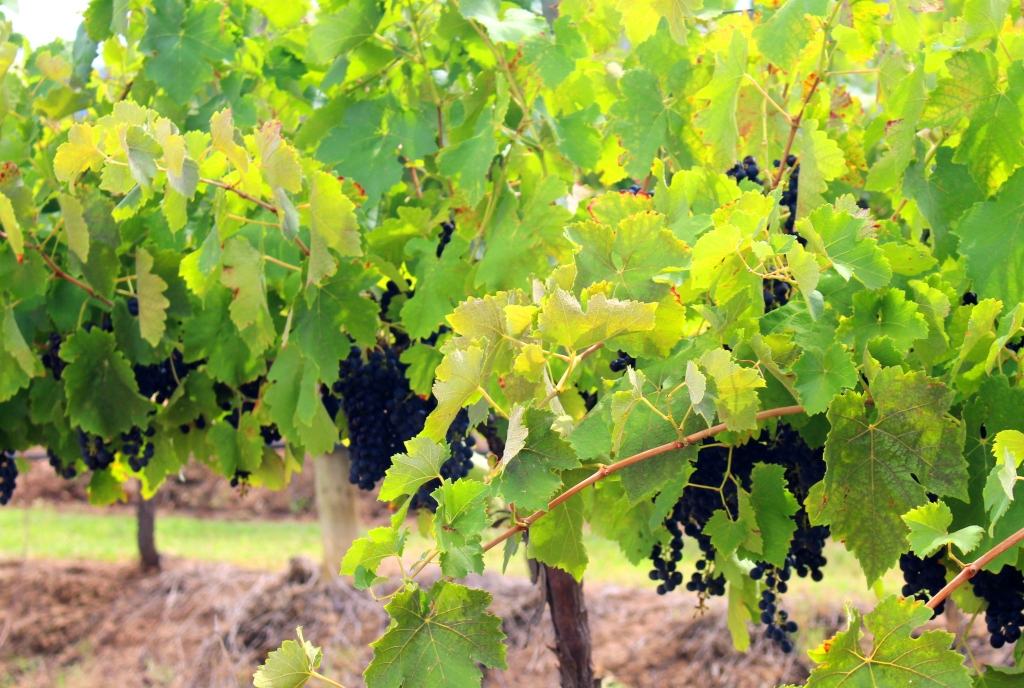
About ready to pick
About ready to pick

Hungerford Hill's impressive cellar door

Hungerford Hill’s impressive cellar door

We paused in Cessnock for a cup of coffee before returning to the van along other familiar roads. We enjoyed a quiet evening but were awakened several times during the night by heavy rain. There would have been some very happy people as their parched gardens were watered by the persistent showers.
Sydney 2014 – Day 7 – 23rd January – Gloucester to Toukley

The morning was overcast and progressed to drizzle as we packed up to move on to Canton Beach Holiday Park at Toukley on the shores of Tuggerah Lake. Light rain continued for most of the trip but did clear as we reached our destination.

Our reason for spending a couple of days here was to catch up with Ruth’s sister Judy and her husband Alan. After setting up the van we took the short drive to their home for afternoon tea and a chat. Later we joined them for dinner at the Toukley Golf Club and chatted again while we dined and watched the last golfers for the day make their way up the fairway to the 18th hole: and for some the 19th hole as well. Then back to the van for a relatively early night.

No pictures today.

Sydney 2014 – Day 6 – 22nd January – Around Gloucester

The sunshine and warm weather have gone, to be replaces by cool cloudy and rainy conditions. All areas through which we have travelled have badly needed rain so we shouldn’t complain. So we won’t!

But we did spend the morning around the van – a bit of shopping and some work that needed to be done. After lunch we went exploring again.

As I was born in Taree and lived in the area until I was 15, I am familiar with the Manning River that flows past the town and empties into the ocean at Harrington. But I have never thought much about its source. During map study as part of planning for this trip, I noticed that a stream that has its origins high in the Barrington Mountains was marked “Manning River”. Sure enough, they are one and the same. On our drive down to Gloucester from Walcha we crossed the Manning a couple of times but could not stop for a photo due to narrow roads and narrower bridges. We had also been told about the Bretti camping area and had caught just a glimpse of it on the same journey. This time a steep hill and the caravan pushing from behind swept us past without the chance of a real look. So we took an afternoon drive back north to see both.


Bretti camping area. Where the Barnard meets the Manning

Bretti camping area. Where the Barnard meets the Manning


Bretti is about 40 kilometres back up the Walcha Road. It is located in the most perfect valley where the Barnard and Manning Rivers converge. The road runs along the edge of the mountain above the valley, but only for a short distance, so the view from the road is tantalisingly brief.

The road runs along the ridge above Bretti camping area

The road runs along the ridge above Bretti camping area

The camping area runs along the banks of both rivers. Facilities are minimal, with only a couple of small toilet blocks, but there is plenty of water in the river and the area is intended for self sufficient campers. There were probably 30 camps and groups. Double that number would not have crowded the area!


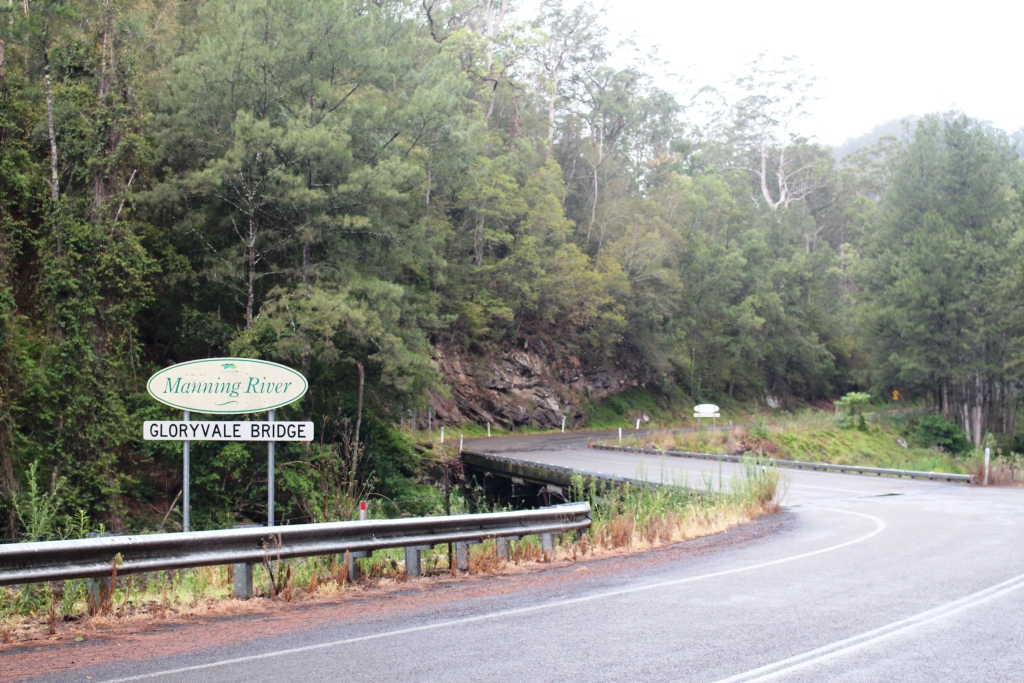
Gloryvale Bridge over the Manning River

Gloryvale Bridge over the Manning River


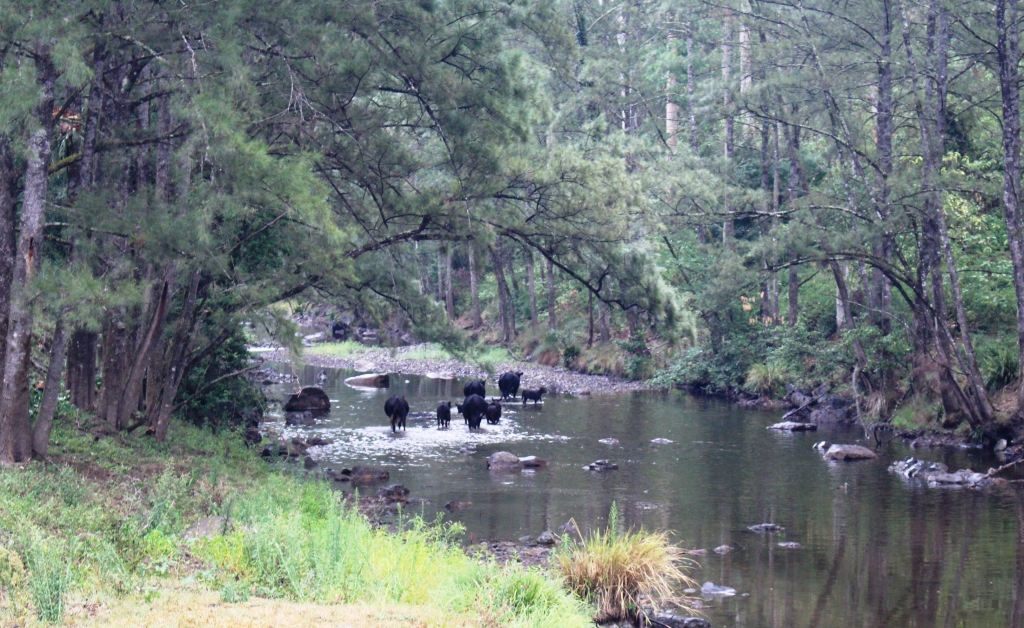
It began to rain again as we started back, so a couple of photos of the Manning River had to be taken dodging the rain. You will see that this far from the sea it is only a small stream. A camper to who we spoke at Bretti told us that the Manning has 153 tributaries flowing into it between its source and the ocean, so no wonder it is so much larger at its mouth.

Manning River. Please boil the water before drinking!

Manning River. Please boil the water before drinking!

The rain had settled in for the afternoon so we went back to the van to shelter and warmth. It had become quite cool.

Sydney 2014 – Day 5 – 21st January – Barrington Tops

We are back in the lowlands so there was no need for a doona last night. We were comfortable with some help from our fan. Today dawned cloudy with rain forecast as possible but it soon cleared into brilliant sunshine with the promise of a hot day.

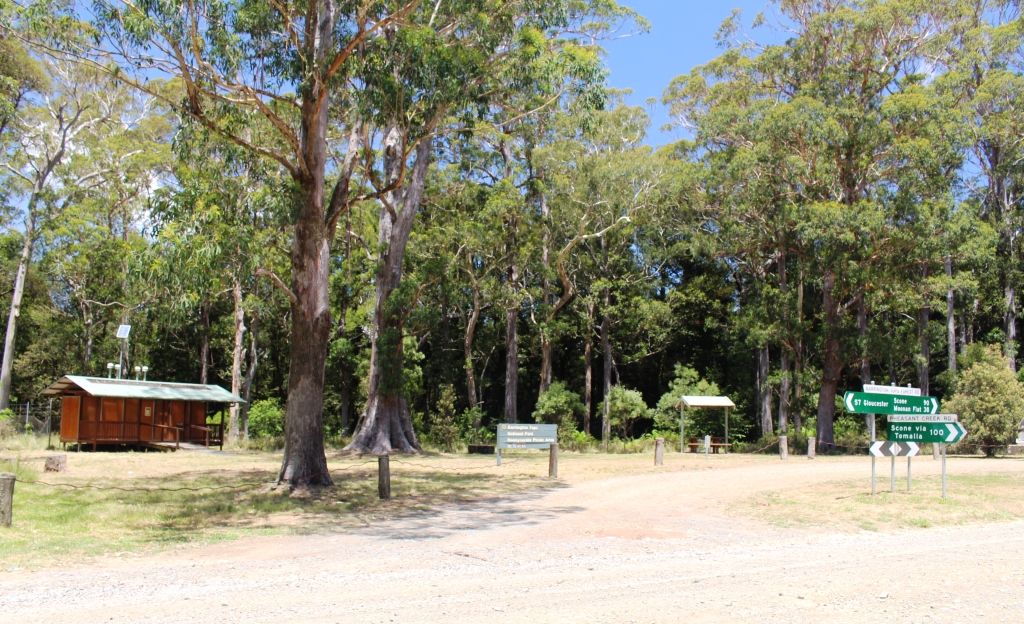
Honeysuckle is a typical rest area.

Honeysuckle is a typical rest area.

After clearing some business related matters, including waiting for it to be 9.00 am in Brisbane, we loaded our lunch (but forgot the thermos) and set off. We were following the road that runs from Barrington, just north of Gloucester, to Scone. The road is variously known as Scone Road, Barrington Tops Road and Barrington Tops Track. We followed it right through the State Forests, National Park and State Conservation Areas that collectively seem to be known as Barrington Tops National Park.

There is roughly 35 kilometres of sealed road that passes through the old gold town of Copeland, climbs 500 meters over a range and then descends 500 meters into a rural valley. It then becomes a gravel road as it ascends to the National Park area.

View over the mountains from Devils Hole Lookout

View over the mountains from Devils Hole Lookout

After a few kilometres after the gravel starts the road takes a sharp right hand turn over a stream and starts to climb from about 200 meters to near to 1,500 meters above sea level. The gravel road to the park boundary is in good condition but deteriorates a bit as soon as it crosses the boundary. A sign in council territory advises that you have reached the end of a council maintained road. A sign inside the park boundary advises that the road is not regularly maintained because of lack of funds. A case of taking the high moral ground on the one hand and passing the buck on the other!

The view from Thunderbolt's Lookout

The view from Thunderbolt’s Lookout


It was cooler at the higher altitudes so walking was pleasant. We visited the points of interest along the way, guided by a National parks brochure. There are two lookouts of note on this road, Thunderbolt’s Lookout and devils Hole. Both reward a short walk with great mountain views but they are not the equal of those that we gained from Point Lookout near Ebor, although at about the same altitude.

Presumably Thunderbolt’s Lookout is named for the famous bush ranger. He was active in areas not too far away from here so perhaps the lookout was the point from which he patched for his enemies. The National parks brochure is silent on this matter.

A boardwalk spans Polblue Creek between the day use and camping areas.

A boardwalk spans Polblue Creek between the day use and camping areas.

We had lunch at the Devils Hole day use area, did the short walk, and then drove on to Polblue picnic and camping areas which are separated by the swampy Polblue Creek. The rangers at the NP office in Gloucester had told us that Polblue was the main camping area. It certainly has space and facilities for a large number of people but the crowds were not there today. The only residents were a couple in an off road caravan. We would have seen only about a dozen vehicles in the mountain area all day and most seemed to be commuting between the major centres at either end of the road.

The caravan belongs to the sole residents of Polblue camping area

The caravan belongs to the sole residents of Polblue camping area

We chatted to and had coffee with the only tenants in the camping area. They are fellow Queenslanders who have followed a very similar route to ours in arriving at Barrington. Like us they are heading to Sydney and staying at the same caravan park with our stays overlapping.


Cleared slopes of the Upper Hunter Valley in the afternoon sunlight.

Cleared slopes of the Upper Hunter Valley in the afternoon sunlight.

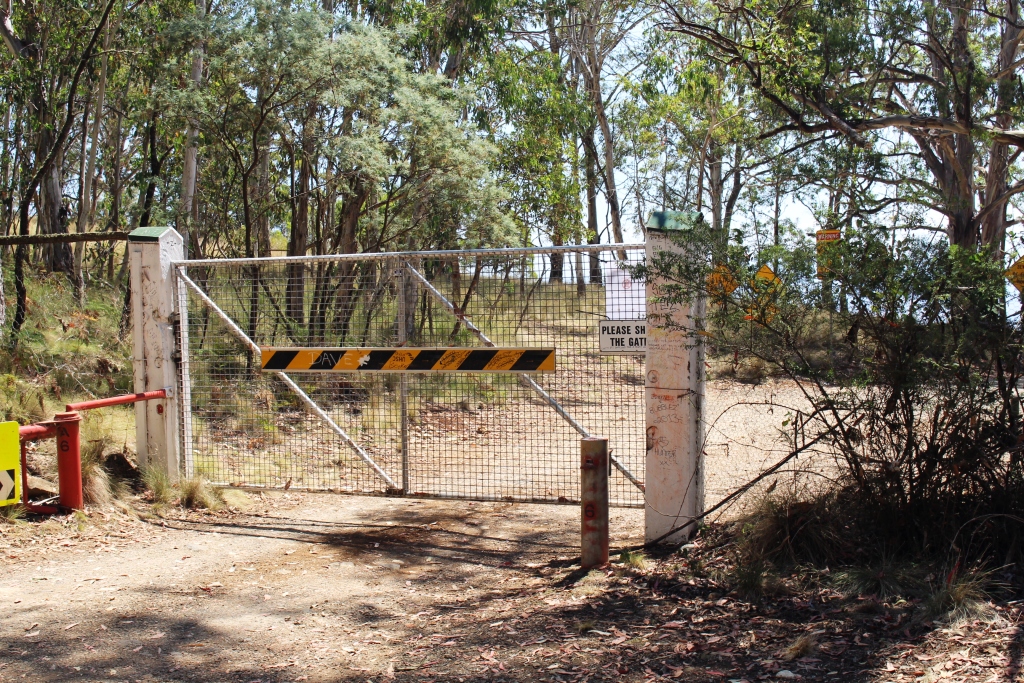
We crossed the entire area to just past the Dingo Gate at the top of the long steep slopes that lead down into the Upper Hunter Valley. More views of mountains but these were paetly clear of trees and covered with brown grass. Another 15 kilometres and we would have reached the first small town on the way to Scone. But duty called. Someone needed to close the Dingo Gate that had been left open despite a prominent sign that said it should be shut.

The Dingo Gate after being closed

The Dingo Gate after being closed

The sun filtering through the pine trees produced an attractive effect.

The sun filtering through the pine trees produced an attractive effect.

Not far back from the gate the road runs through a pine plantation. Only 100 meters off the road is a rest area in such deep shade that it seems almost dark when you enter. A short walk leads to the edge of the pines where the normal forest recommences. The effect of the sun filtering through the foliage at the top of the trees was quite striking.

We lingered a bit longer with the folk at Polblue over that cup of coffee than we had intended, so it was near dusk when we reached the van. For the first time on this trip we turned the air conditioning on. The van was quite hot after being locked up all day.

Sydney 2014 – Day 4 – 20th January – Armidale to Gloucester

Not much sightseeing today but endless ups and downs over considerable altitude. Last night was a doona night and the morning again dawned fine with the promise of a hot day. Once again the promise was kept.

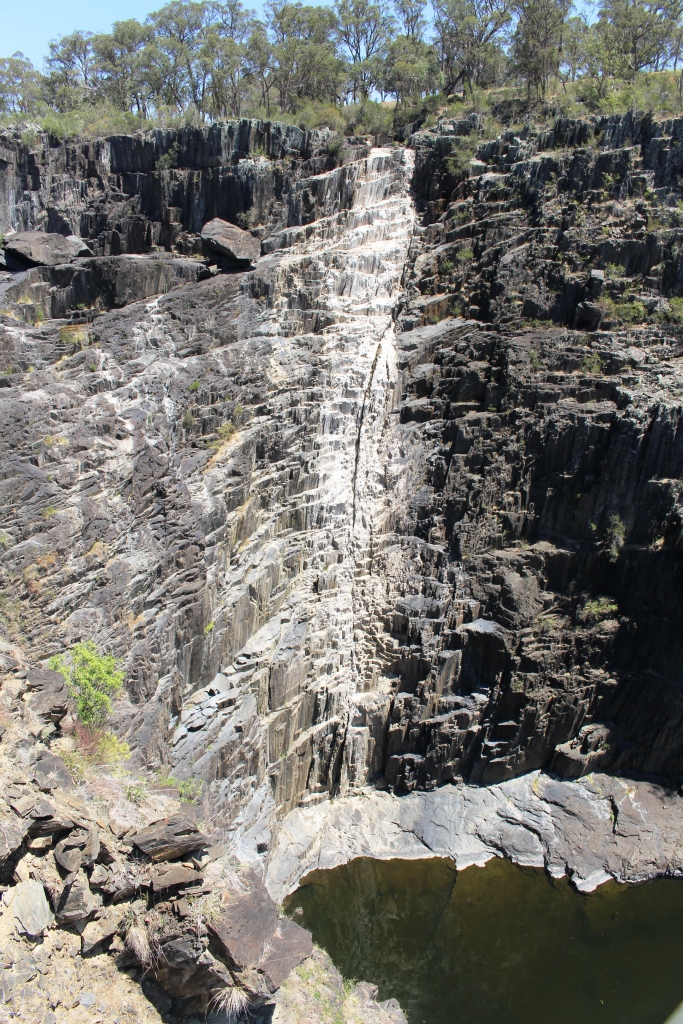
The white stain shows where the water normally is.

The white stain shows where the water normally is.

The drive from Armidale through Uralla and on to Walcha is through fairly gently undulating pasture land but Walcha is at the edge of the plateau and the hills start to the south and east. We took a side trip to visit Apsley Falls and Gorge which are about 20 km towards Wauchope and the coast so we started to experience hilly country.


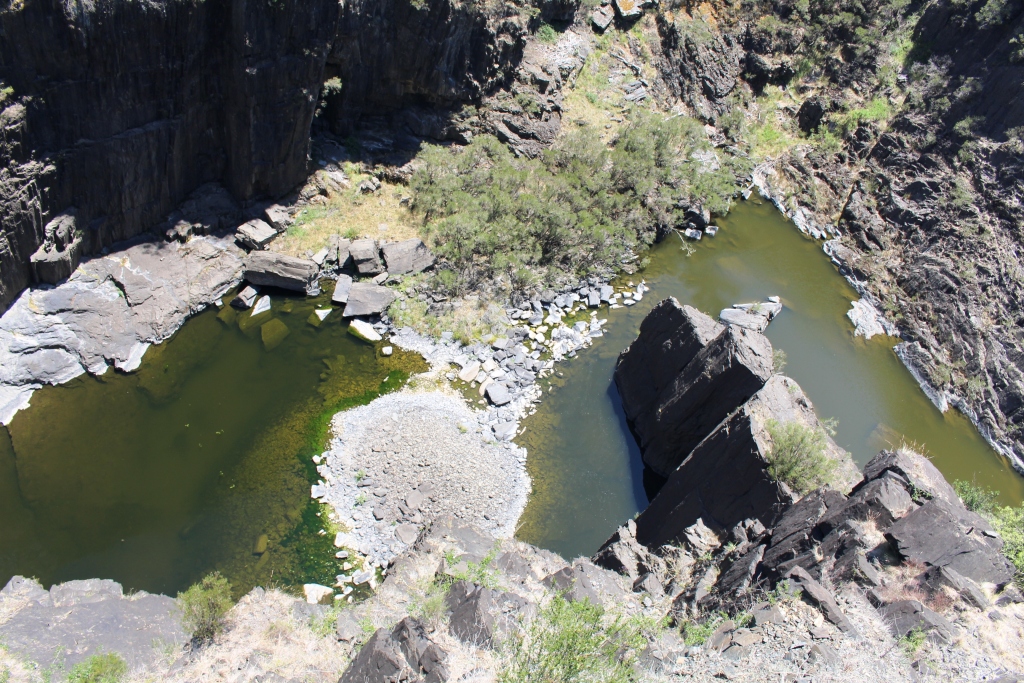
Only a couple of pools remain at the foot of the falls.

Only a couple of pools remain at the foot of the falls.

Apsley Falls must be magnificent when there have been good falls of rain but today were totally dry, with the exception of a few pools at the very bottom of the gorge. The area is well presented with excellent visitor facilities.


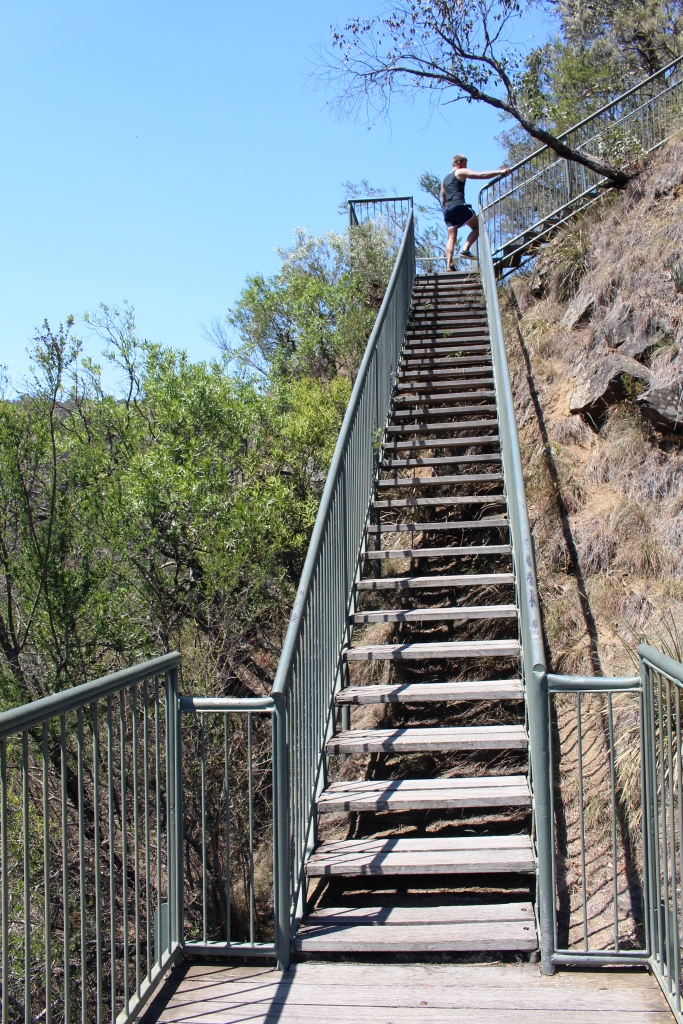
This is part of the 106 steps to the mid-level viewing platform.

This is part of the 106 steps to the mid-level viewing platform.


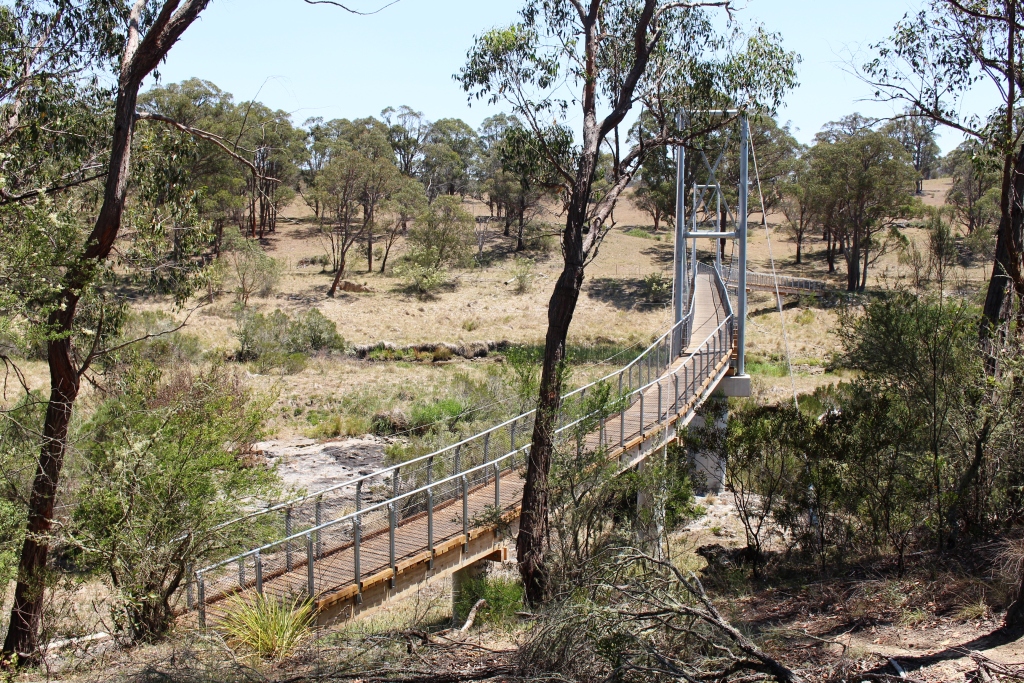
A suspension bridge provides access to the far side of the gorge.

A suspension bridge provides access to the far side of the gorge.


A suspension bridge spans the stream above the falls to give access to the far bank. We didn’t do that walk today but it would be pleasant in cooler weather with water going over the falls. But I did the climb down 106 stars (and back up again) to the lower viewing platform. I felt the last few steps back up.

Apsley Falls are in the Oxley Wild Rivers National park and are on the Apsley River. The dry falls that we saw yesterday at Wollomombi are on the Chandler River. Both flow into the Macleay River which, after flowing a great distance, reaches the ocean at South West Rocks.

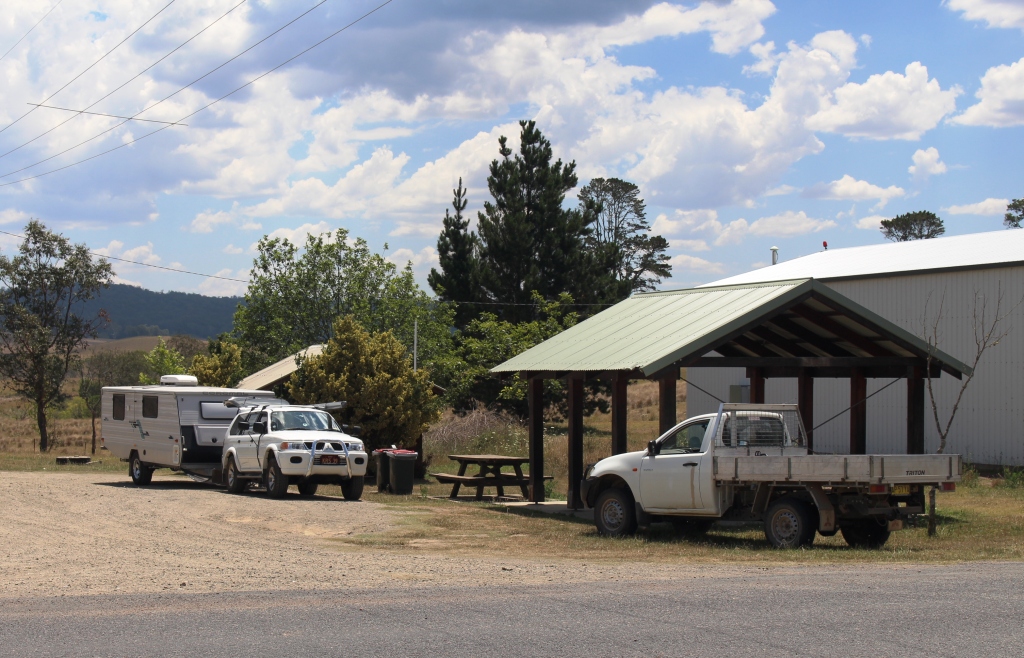
The rest area at Nowendoc provided a pleasant lunch stop.

The rest area at Nowendoc provided a pleasant lunch stop.

Our path took us back to Walcha and then through Nowendoc to Barrington and then to Gloucester. As soon as we left Walcha the road started to climb. Past 1,100 meters, then past 1,200 meters, down a bit and then higher still. The altimeter on the GPS reached 1,332 meters and then we plunged. Down we went more than 400 meters in a few kilometres into the Nowendoc valley. Farming country extends almost to the edge of the plateau with pine plantations and virgin bush at the edge and on the decline into the valley. Then farm lands again..

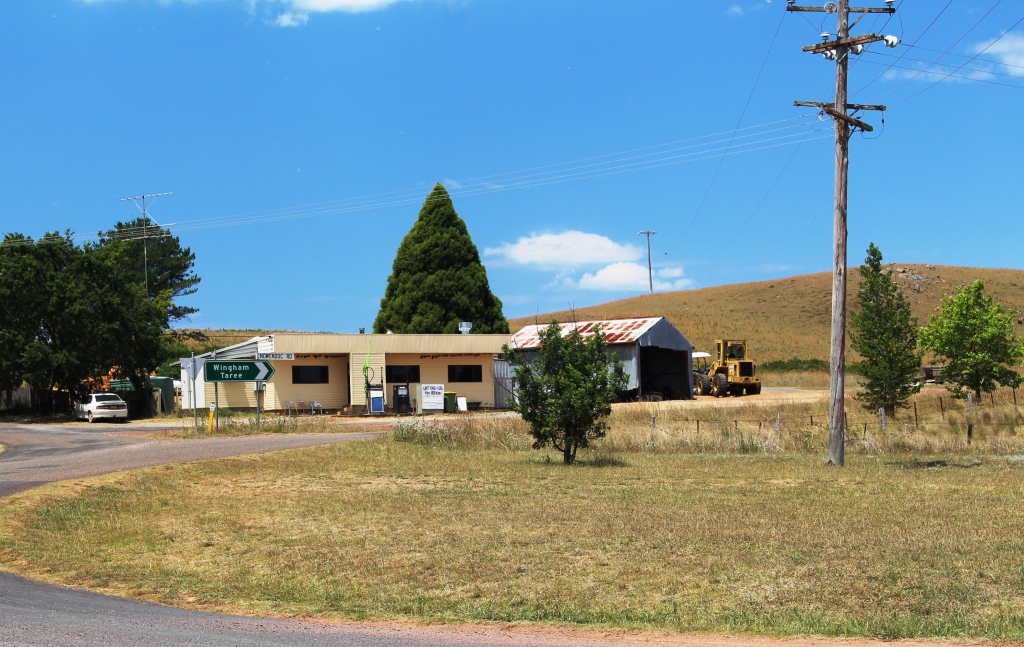
Nawendoc commercial centre

Nawendoc commercial centre

Nowendoc is a tiny town located about a kilometre from the main road. We visited and used their excellent travellers’ facilities, including a picnic shelter, for lunch.

Back on the road and it was back to climbing and descending again. Finally we came to Karo Mountain and a descent that was very steep. A sign at the top warned all vehicles to use low gear. What sound advice! The descent went on and on, around several sharp bends and past numerous signs to indicate that the slope still had some distance to go. Once we reached the bottom of this descent it was not far to Gloucester.

We had intended to take the van over Barrington Tops with a possible overnight stop somewhere near the top. But storms are forecast so we will make day trips into the area until we move on in a couple of days.